
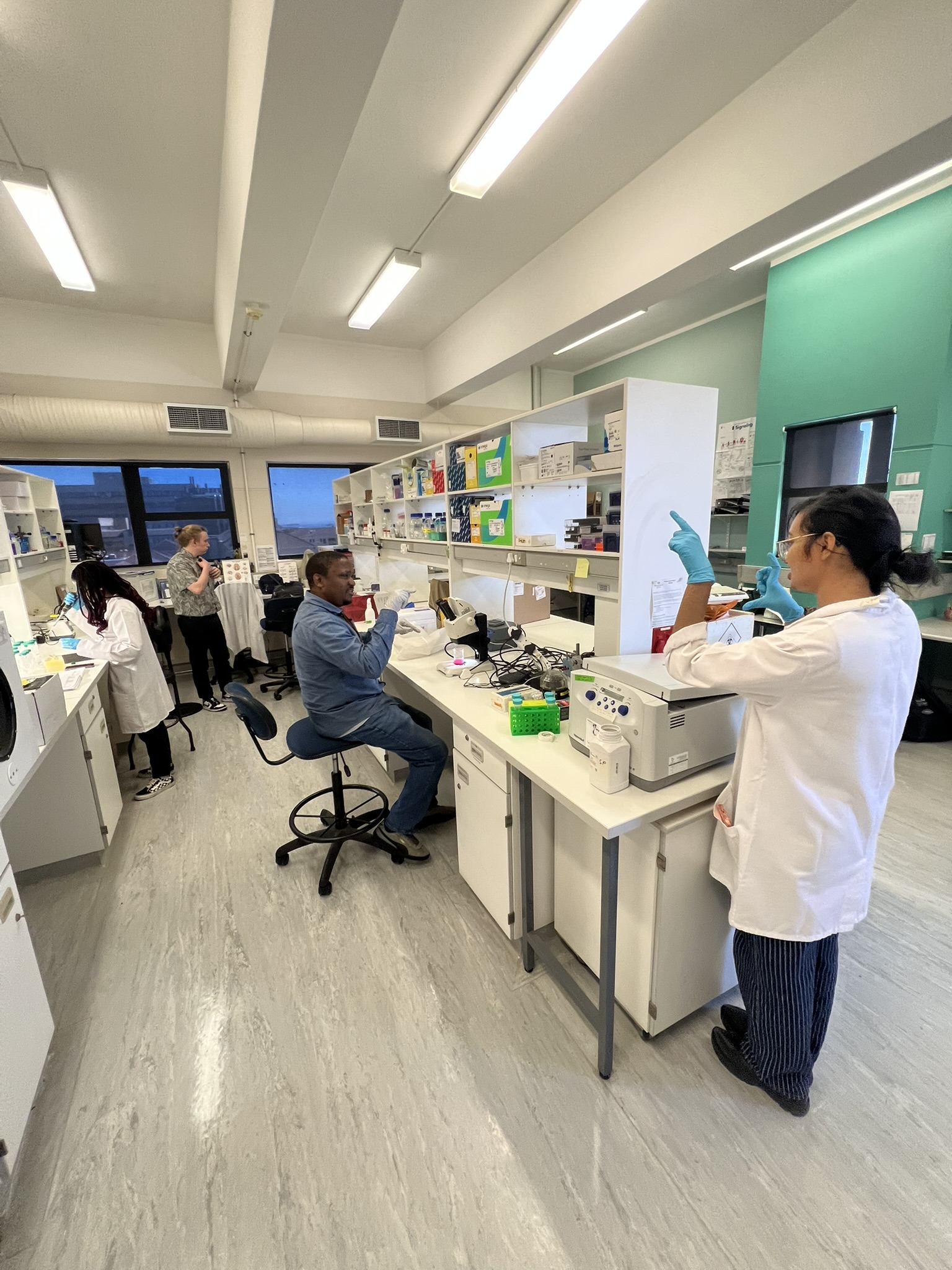
In March 2026, Oskar Neumann returned to the Mechanobiology Lab of Prof. Thomas Franz at the University of Cape Town, South Africa, for another research secondment. Building on previous collaborative work with Dr. Majah’onkhe Shabangu and Michael Tranchina from project A04 of the Collaborative Research Center 1540 “Exploring Brain Mechanics”, the goal of the stay was to establish a nanoindentation-based mechanotyping pipeline for brain organoids at UCT.
During Maja’s previous stay in Germany, first nanoindentation experiments had been performed on brain organoids using the Chiaro Nanoindenter from Optics11 Life. Based on this experience, the team reached out to several laboratories at UCT to transfer and adapt the experimental workflow to the local infrastructure. Mouse brain organoids were kindly provided by Dr. Mubeen Goolam’s lab, with important support from Master’s student Kiara Ramnundlall, who assisted the team with the organoid work. Prof. Joseph Raimondo’s lab supported the project by providing access to their compresstome, with Dr. Supratim Biswas giving instructions for organoid sectioning.
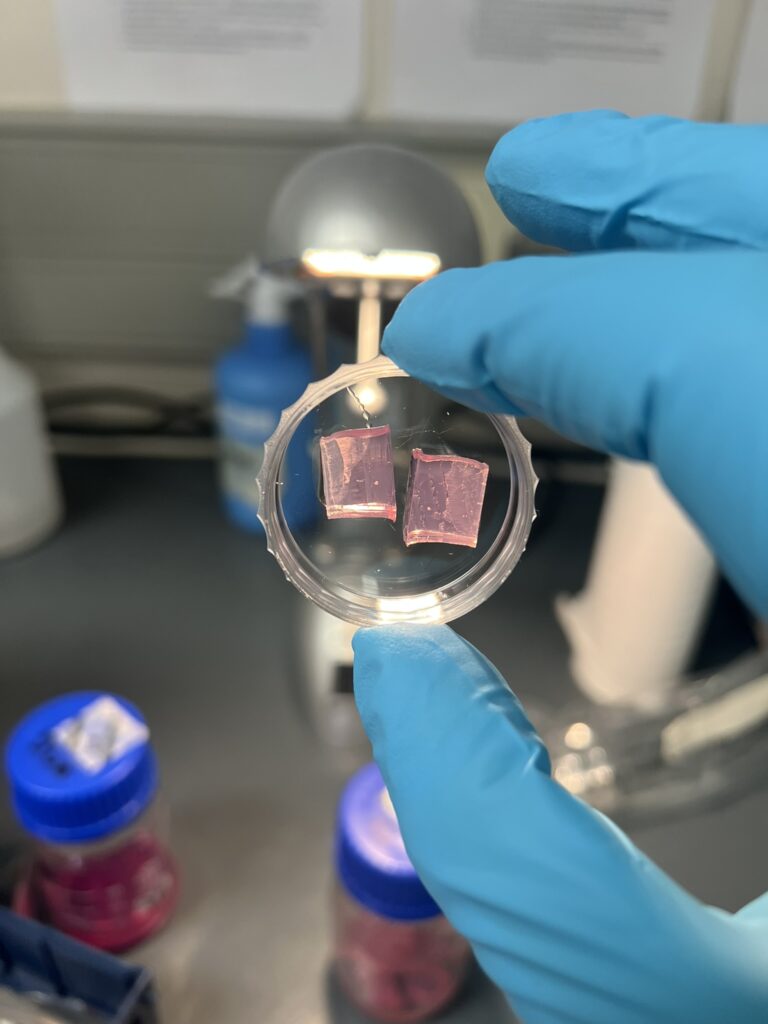
An important part of the secondment was the establishment of a complete experimental workflow in Cape Town. This included embedding the organoids in an agarose-based support frame, preparing stable sections, mounting them on petri dishes, and performing mechanical testing with the same type of Optics11 Life nanoindenter used in the experiments in Germany. The major outcome was that this protocol could be successfully re-established at UCT, resulting in a first proof-of-concept indentation-based mechanical map of a cut organoid section.
In addition to the experimental work, Oskar gave a seminar talk at UCT’s Division of Biomedical Engineering, where he presented the consolidated work of project B01 within the Collaborative Research Center 1540 “Exploring Brain Mechanics”. The talk provided an overview of the experimental, computational, and interdisciplinary approaches developed within B01 to investigate the mechanics of spinal cord tissue and its role in regeneration.
The established pipeline now provides the Mechanobiology Lab and Dr. Majah’onkhe Shabangu with a basis for future mechanobiological investigations of organoids and related multicellular systems. The secondment further strengthened the collaboration between FAU, the University of Cape Town, and the EBM network, and opened up new opportunities for combining experimental mechanics with advanced in vitro models of biological tissues.
Oskar Neumann, B01
 1/9
1/9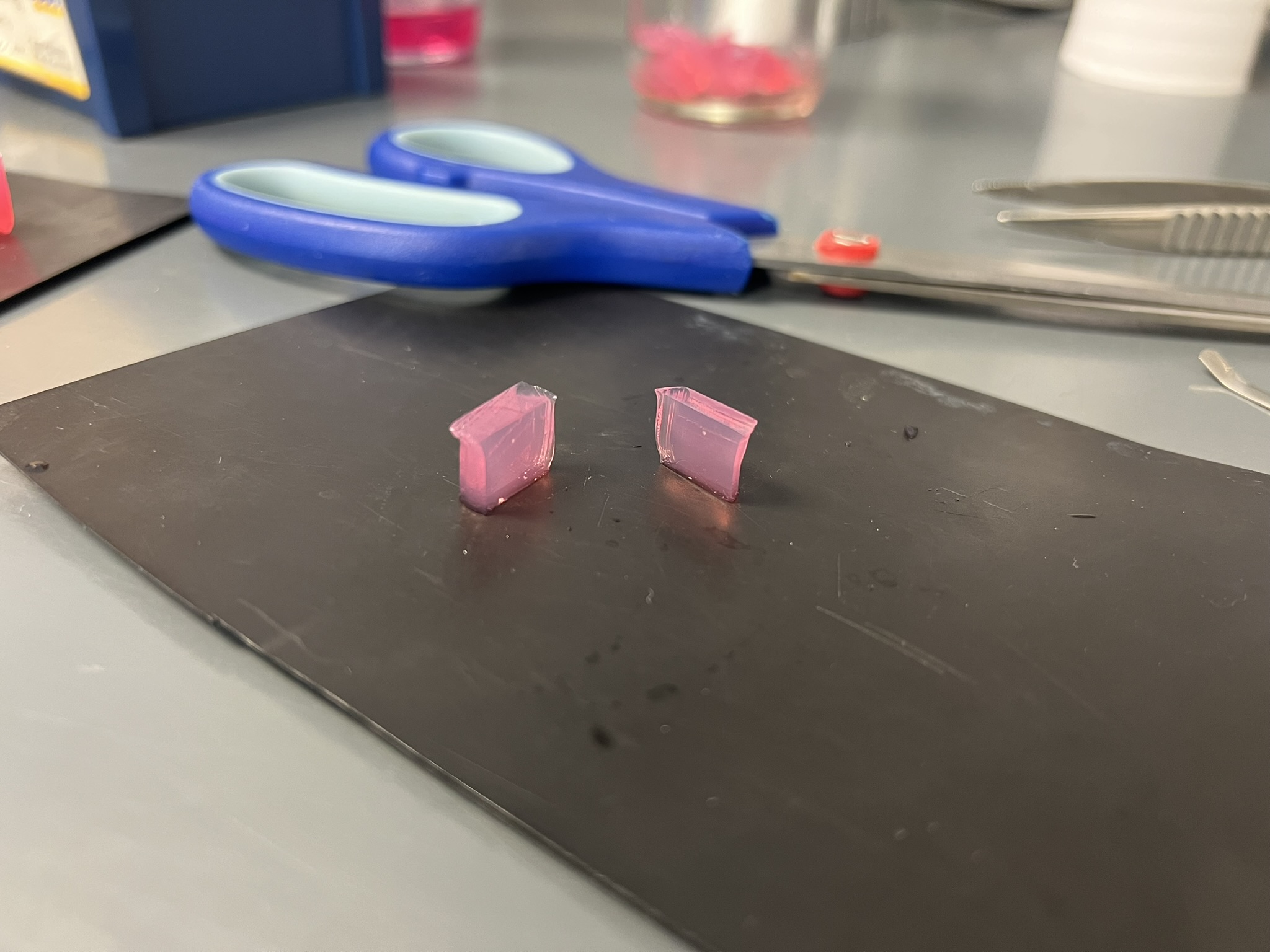 2/9
2/9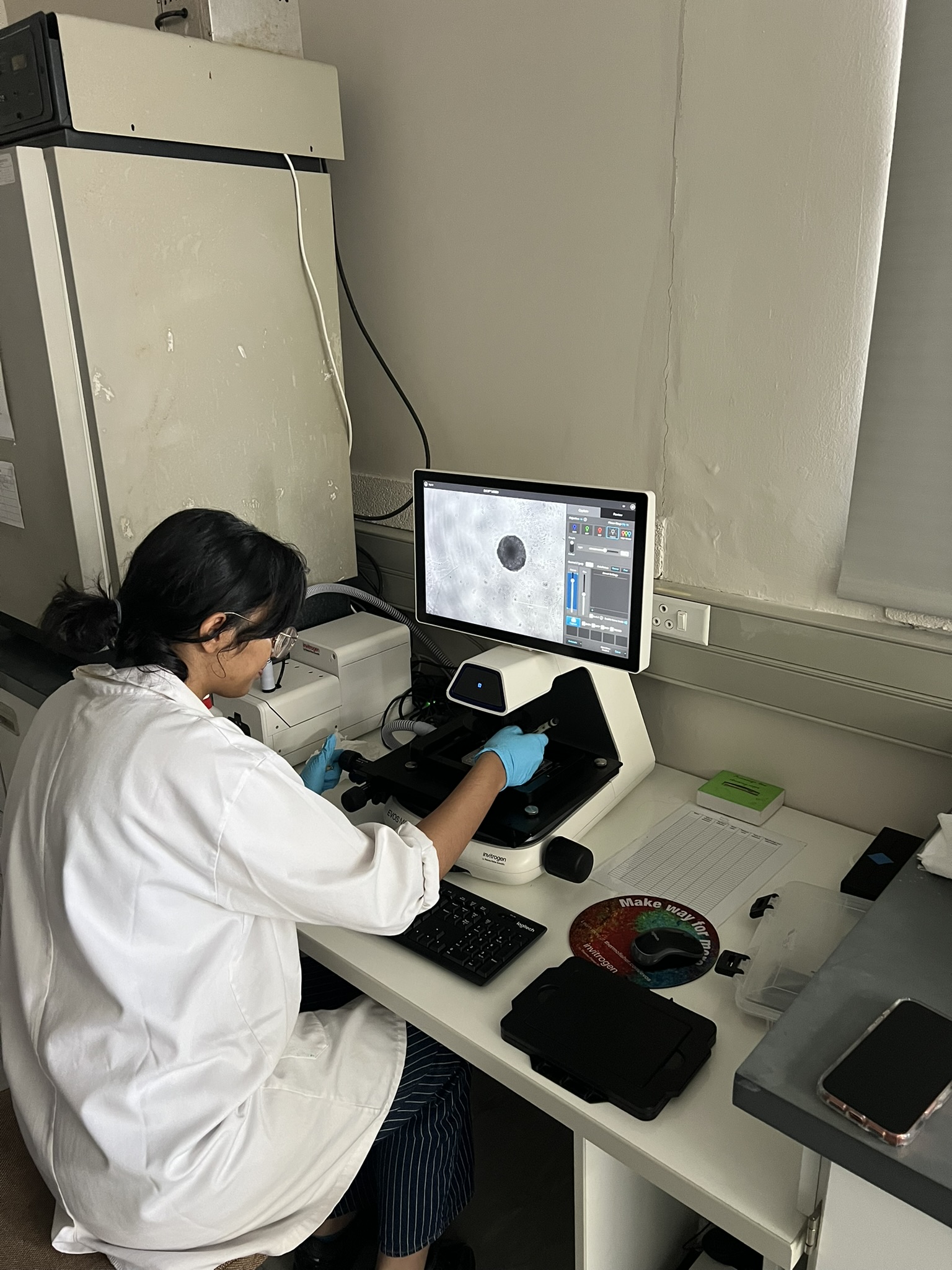 3/9
3/9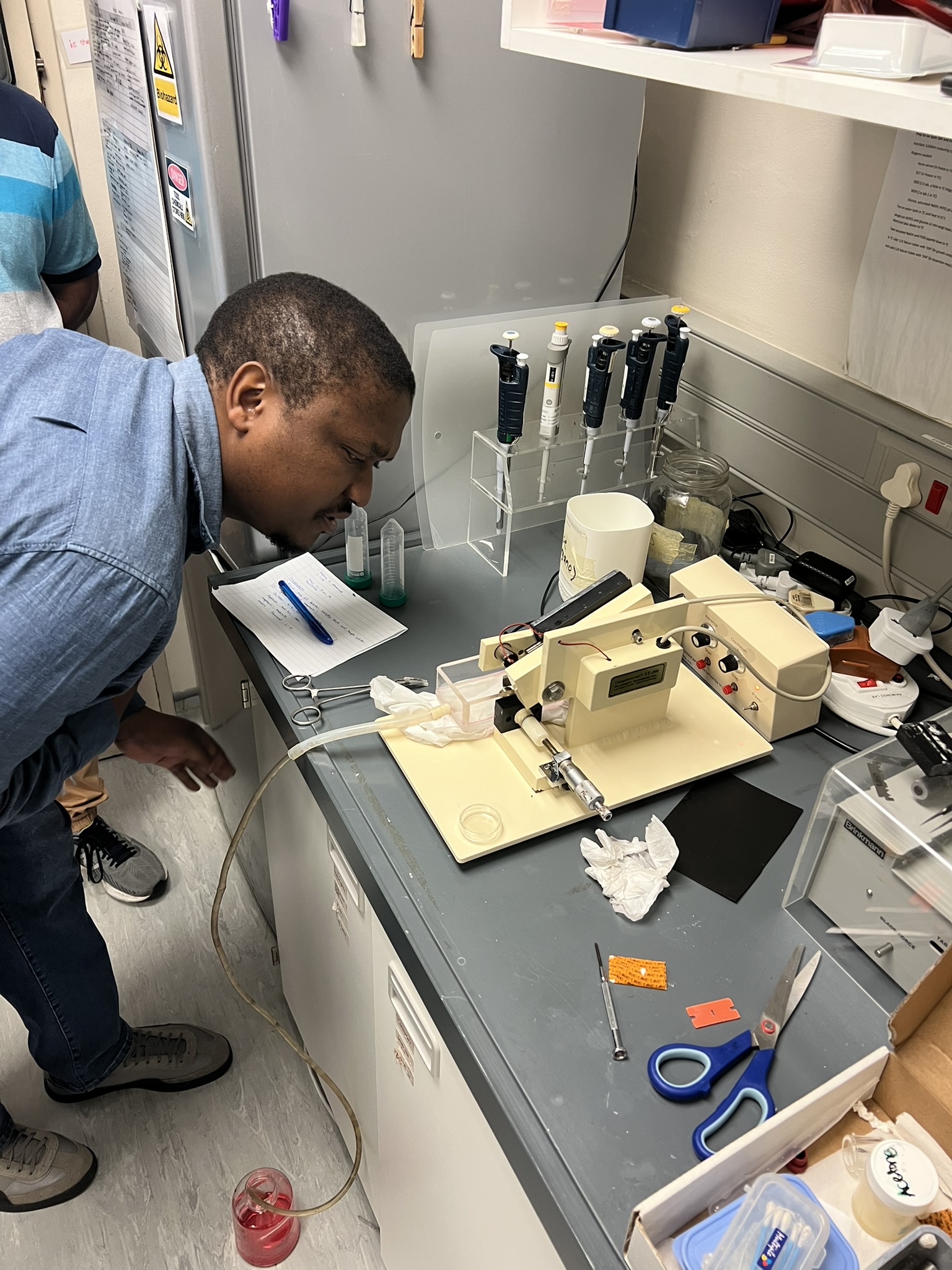 4/9
4/9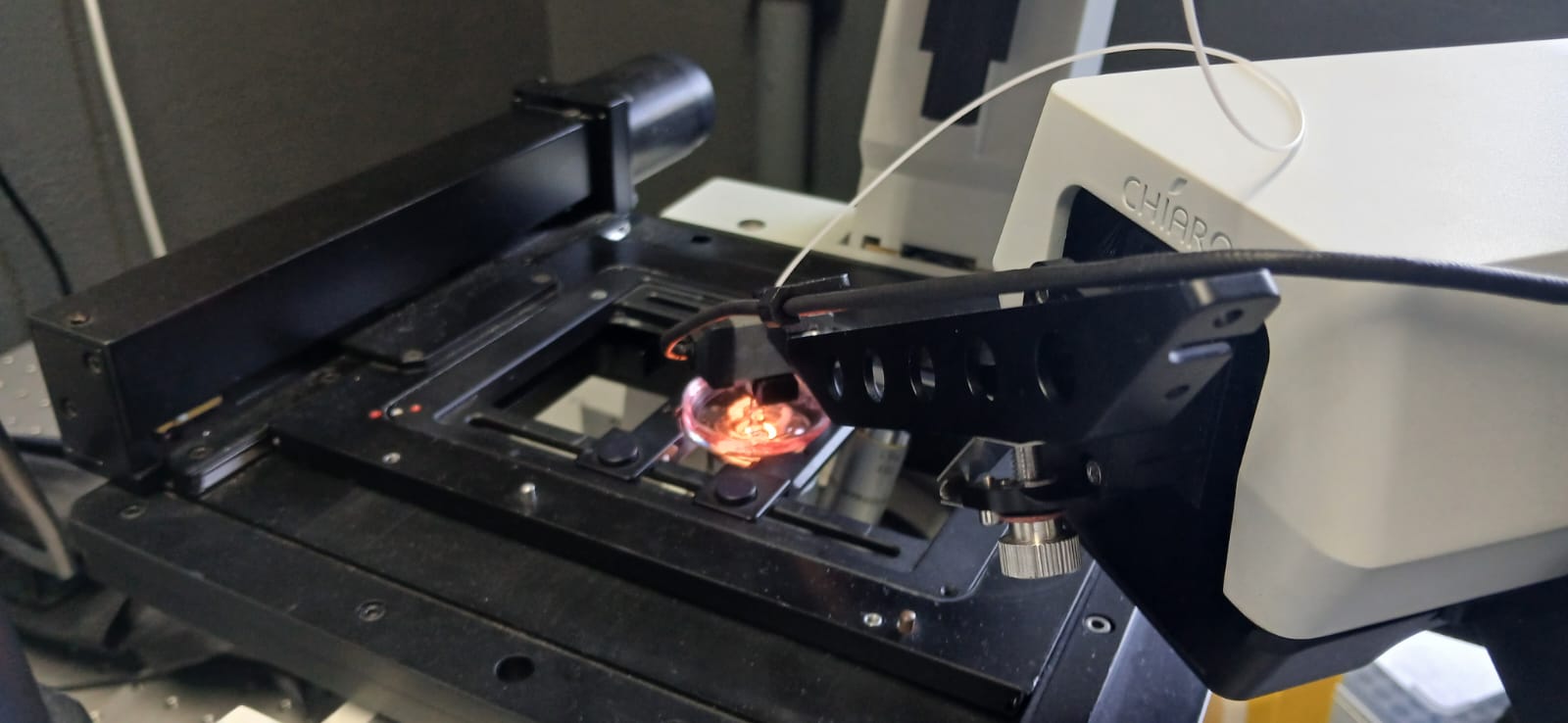 5/9
5/9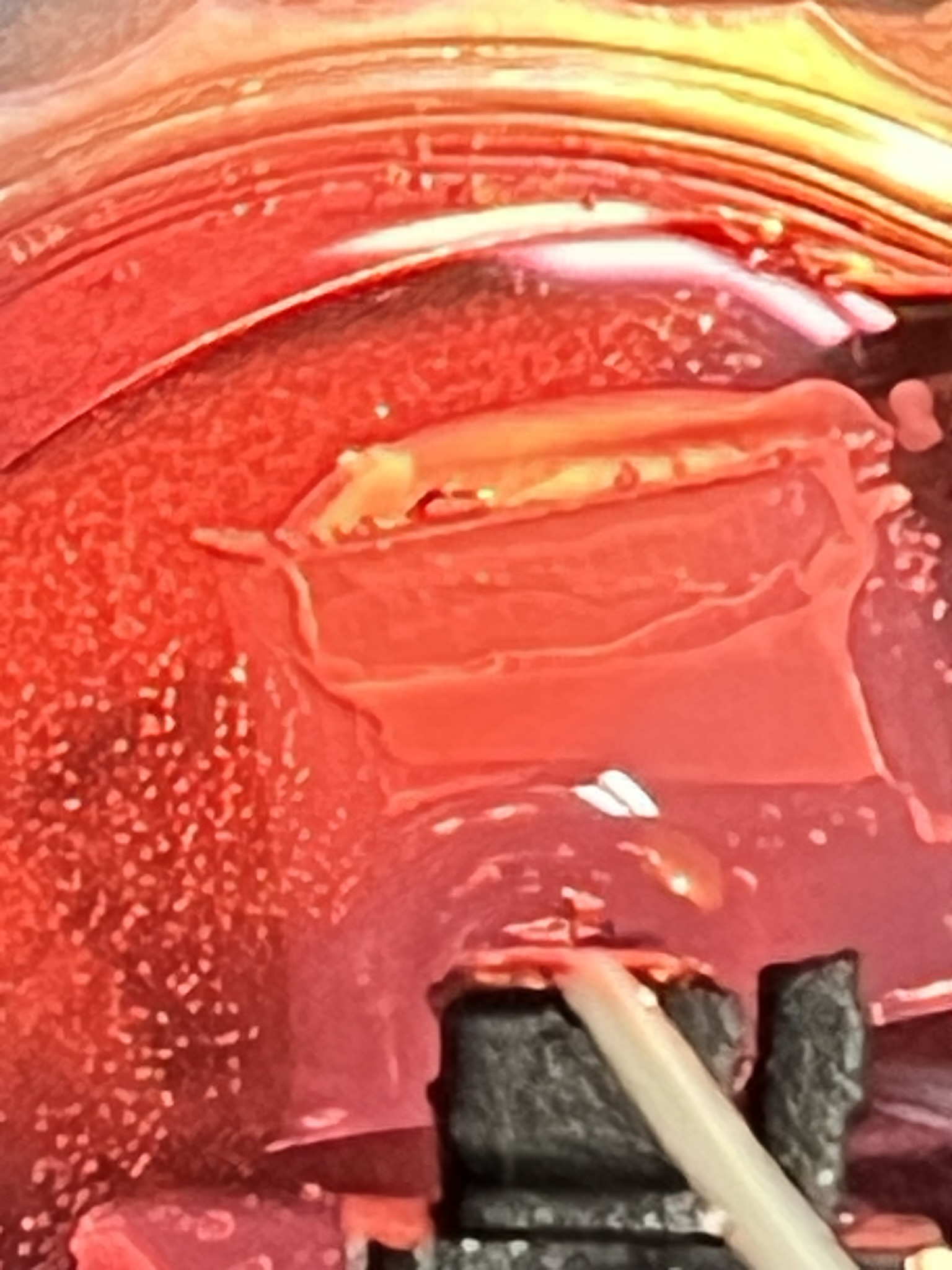 6/9
6/9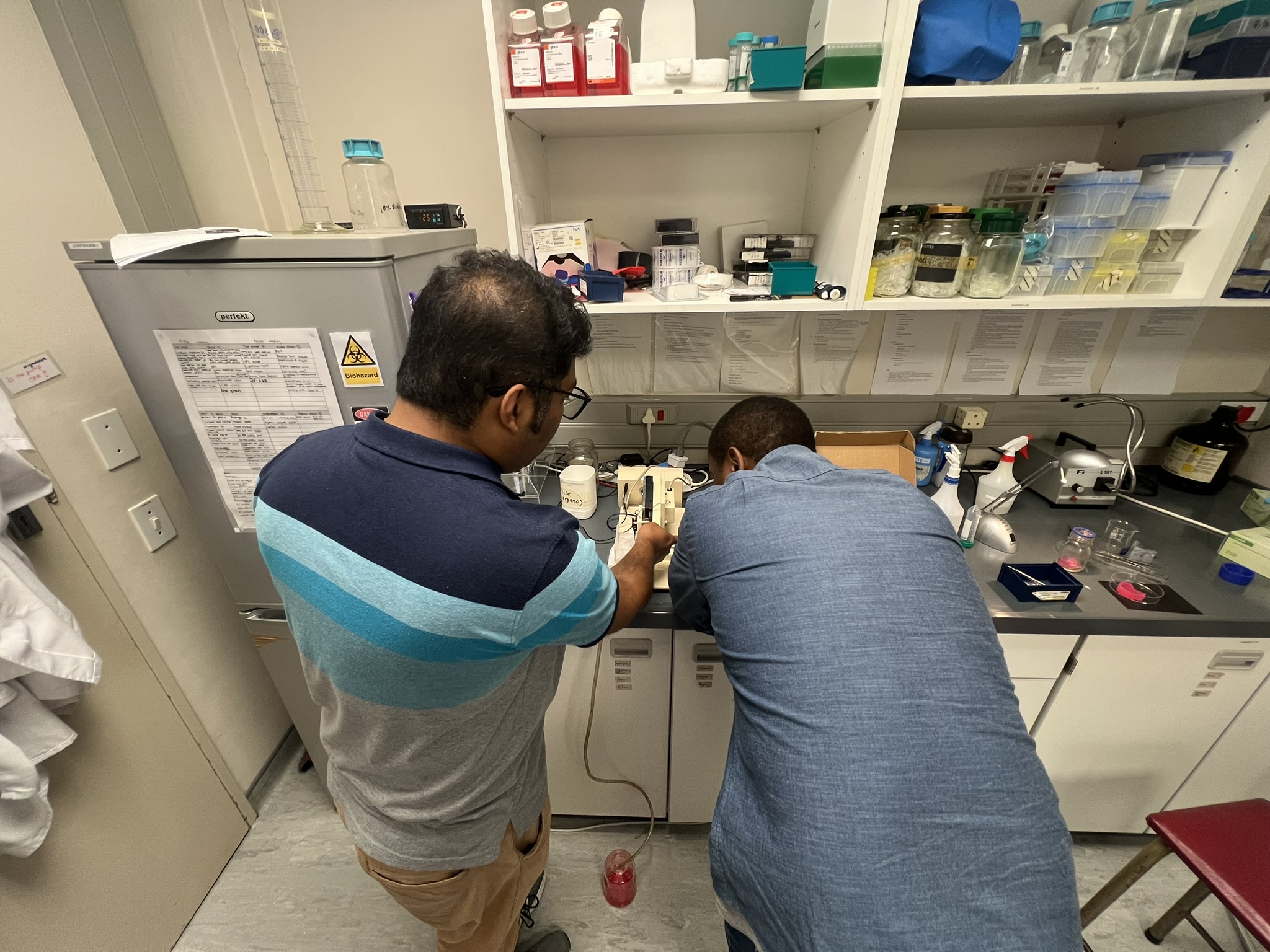 7/9
7/9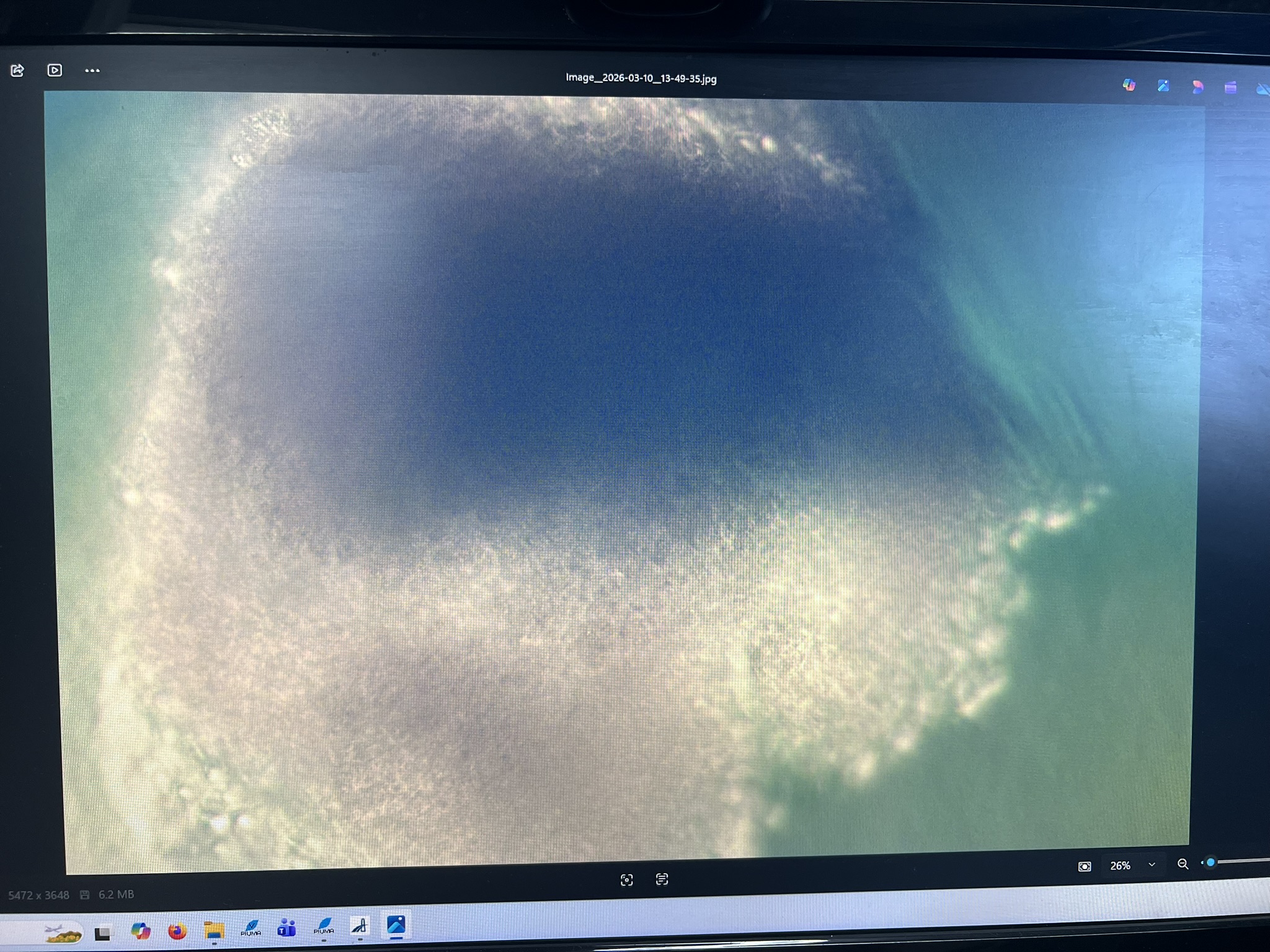 8/9
8/9 9/9
9/9