
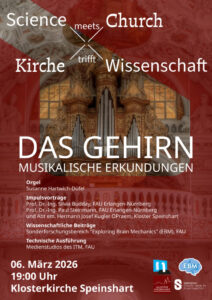
 On March 6, 2026, the Monastery Church Maria Immaculata in Speinshart became the stage for an extraordinary interdisciplinary experience titled “Das Gehirn – Musikalische Erkundungen.” The event combined organ music, neuroscience, and large-scale visualizations into an immersive journey into the human brain.
Following the success of the 2024 edition in Erlangen (read the report here), the 2026 event further developed the format into a new stage of interdisciplinary science communication.
The full program is available for download here.
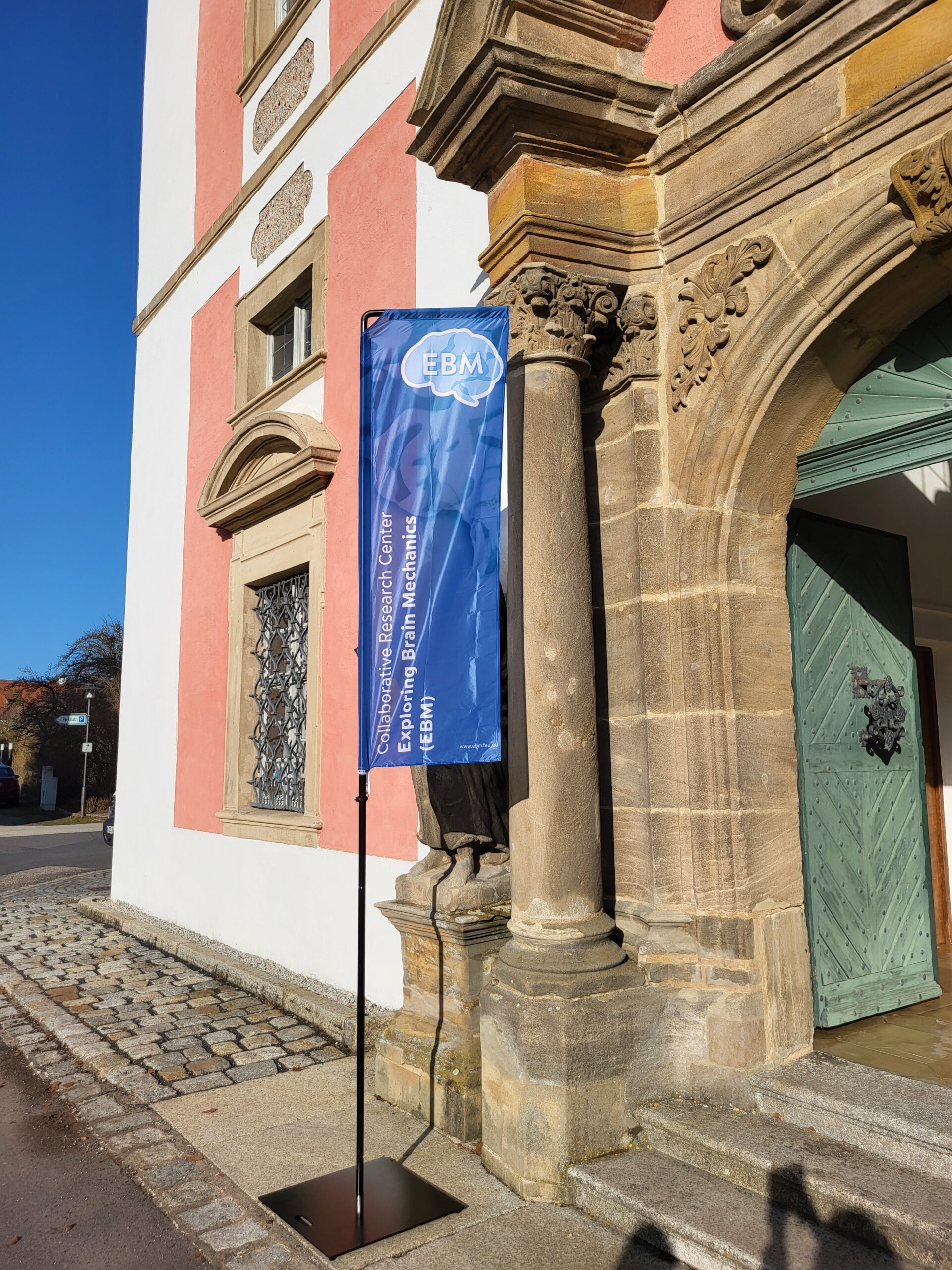
Organized by EBM in collaboration with the Speinshart Monastery and the Speinshart Scientific Center for AI and SuperTech (LinkedIn coverage here), the event marked the official launch of the initiative “Science meets Church”—a planned long-term collaboration exploring new formats of science communication at the intersection of research, art, and spirituality.
The evening opened with a welcome address by Abbot Hermann-Josef Kugler, setting the tone for a program that bridged scientific inquiry and artistic expression.
Short scientific impulse talks by Silvia Budday and Paul Steinmann, interspersed between the video segments, introduced the audience to fundamental aspects of brain structure, development, and function. Complex topics from brain mechanics and neural organization were presented in an accessible and visually supported way, making cutting-edge research understandable for a broad audience.
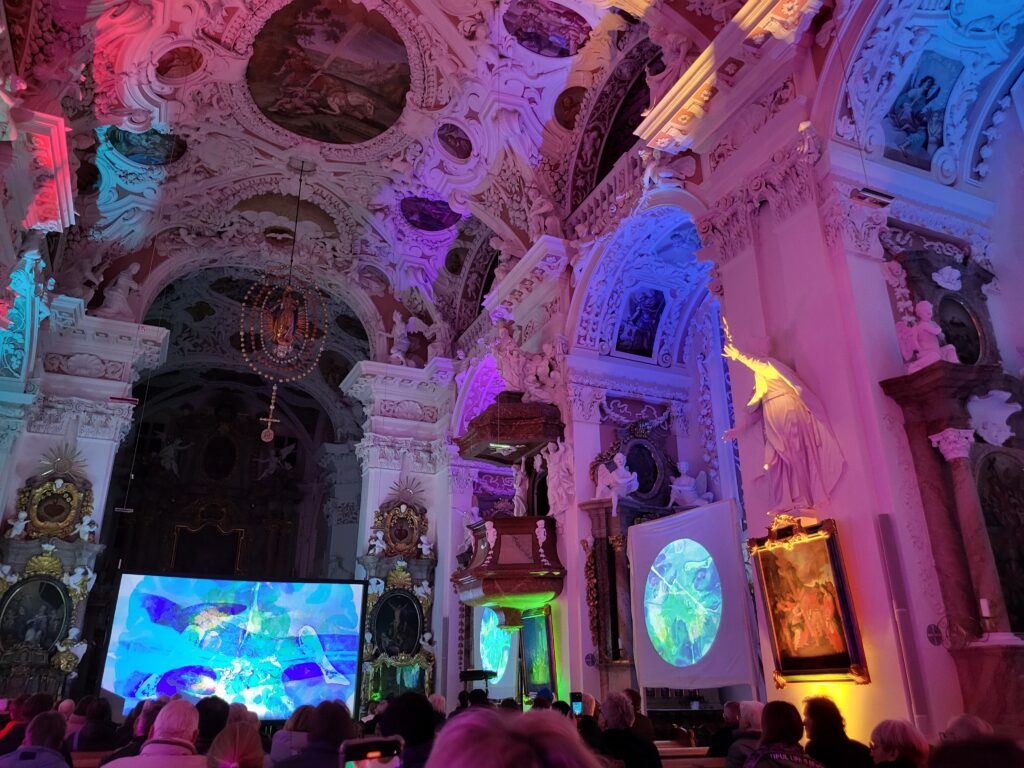
High-resolution visualizations developed by FAU’s media studios transformed the interior of the Baroque church into an immersive visual environment. Three-dimensional brain scans, microscopic imagery, and color-coded representations of neural pathways revealed structures normally hidden from perception, creating a vivid interaction between scientific visualization and the architectural space of the church.
The musical program was performed by Susanne Hartwich-Düfel, Church Music Director at St. Matthäus Church in Erlangen, and provided a carefully curated acoustic framework for the visual and scientific content of the evening.
Works by Johann Sebastian Bach, Arvo Pärt, Philip Glass, and Sofia Gubaidulina accompanied large-scale visualizations derived from research in brain mechanics at EBM. These projections were based on scientific data and simulation results from ongoing research, translating complex findings in brain structure and neural organization into vivid visual narratives.
Through careful coordination of timing, atmosphere, and spatial composition, the musical program and the scientific visualizations formed a coherent multisensory experience, where sound and imagery complemented and enhanced each other.
From the architectural clarity of Bach’s organ works to the meditative minimalism of Pärt and Glass, the music formed an atmospheric layer that supported the visual exploration of neural structures. Gubaidulina’s compositions added expressive intensity, enhancing the immersive quality of the presentation.
Together, music and science created a shared experiential space in which complex research findings could be perceived in a more intuitive and emotionally resonant way.
Rather than a traditional concert or lecture, the evening unfolded as a fully immersive environment. Large-scale projections filled the church space, interacting with live organ music and scientific narration.
The Baroque architecture of the monastery church played an active role in the experience, as light, sound, and image merged into a unified spatial composition. This fusion allowed the audience to perceive scientific content not only intellectually, but also emotionally and sensorially.
No prior scientific background was required, making the event accessible to music lovers, researchers, and all visitors curious about the human brain.
“Das Gehirn – Musikalische Erkundungen” once again demonstrated how interdisciplinary formats can transform complex science into a shared cultural experience—bringing together research, music, and architecture in a uniquely inspiring way.
 1/28
1/28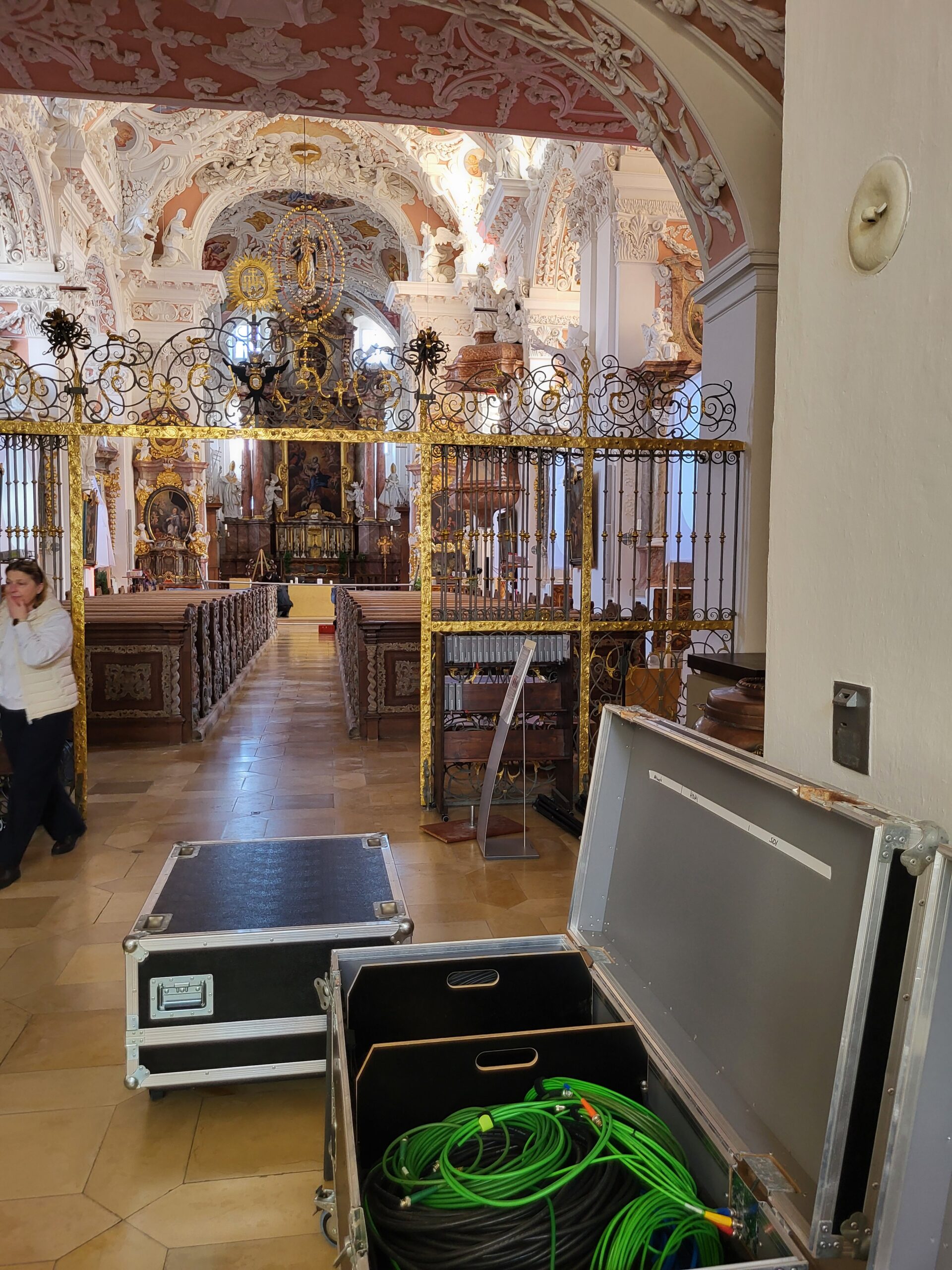 2/28
2/28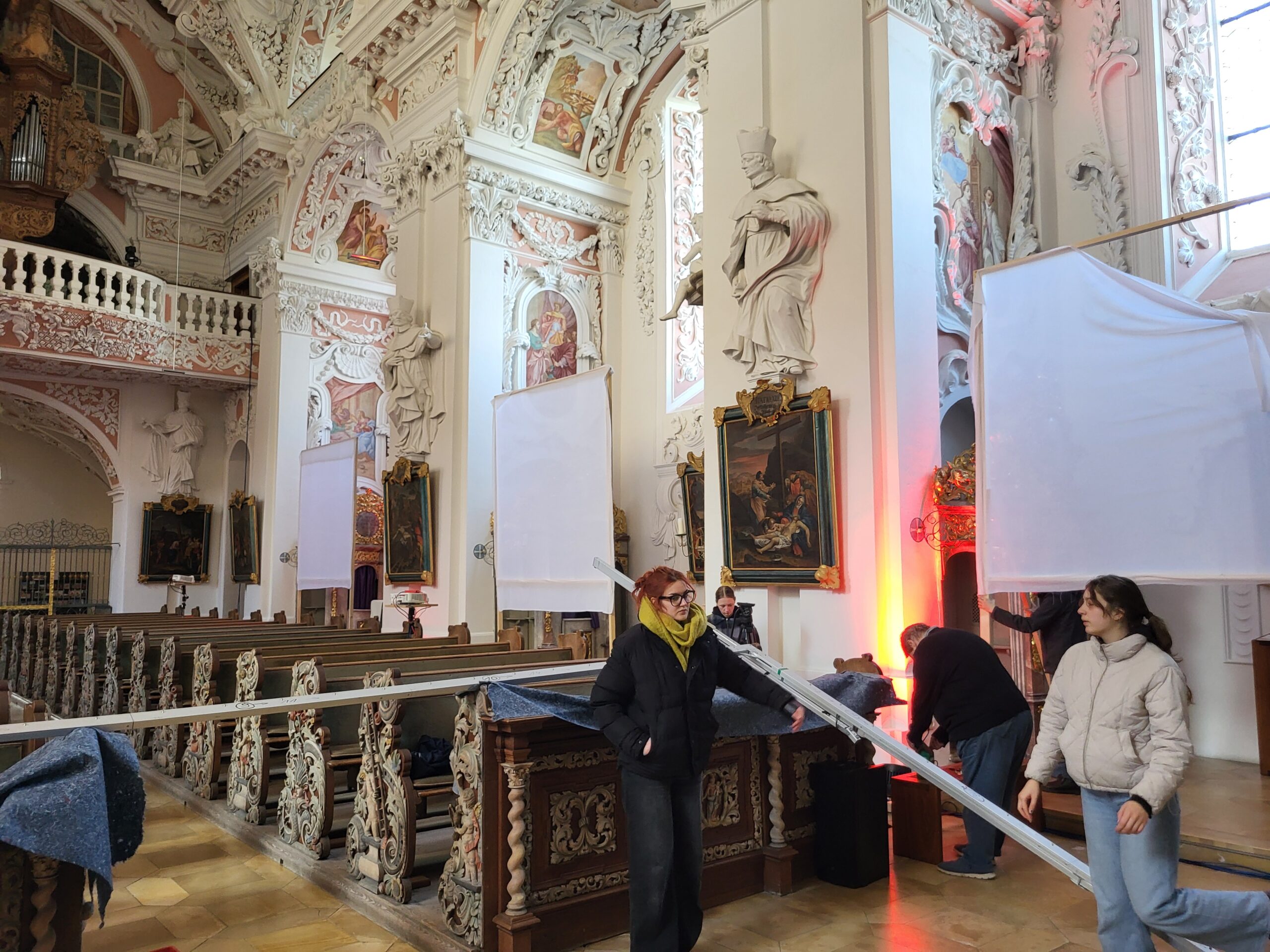 3/28
3/28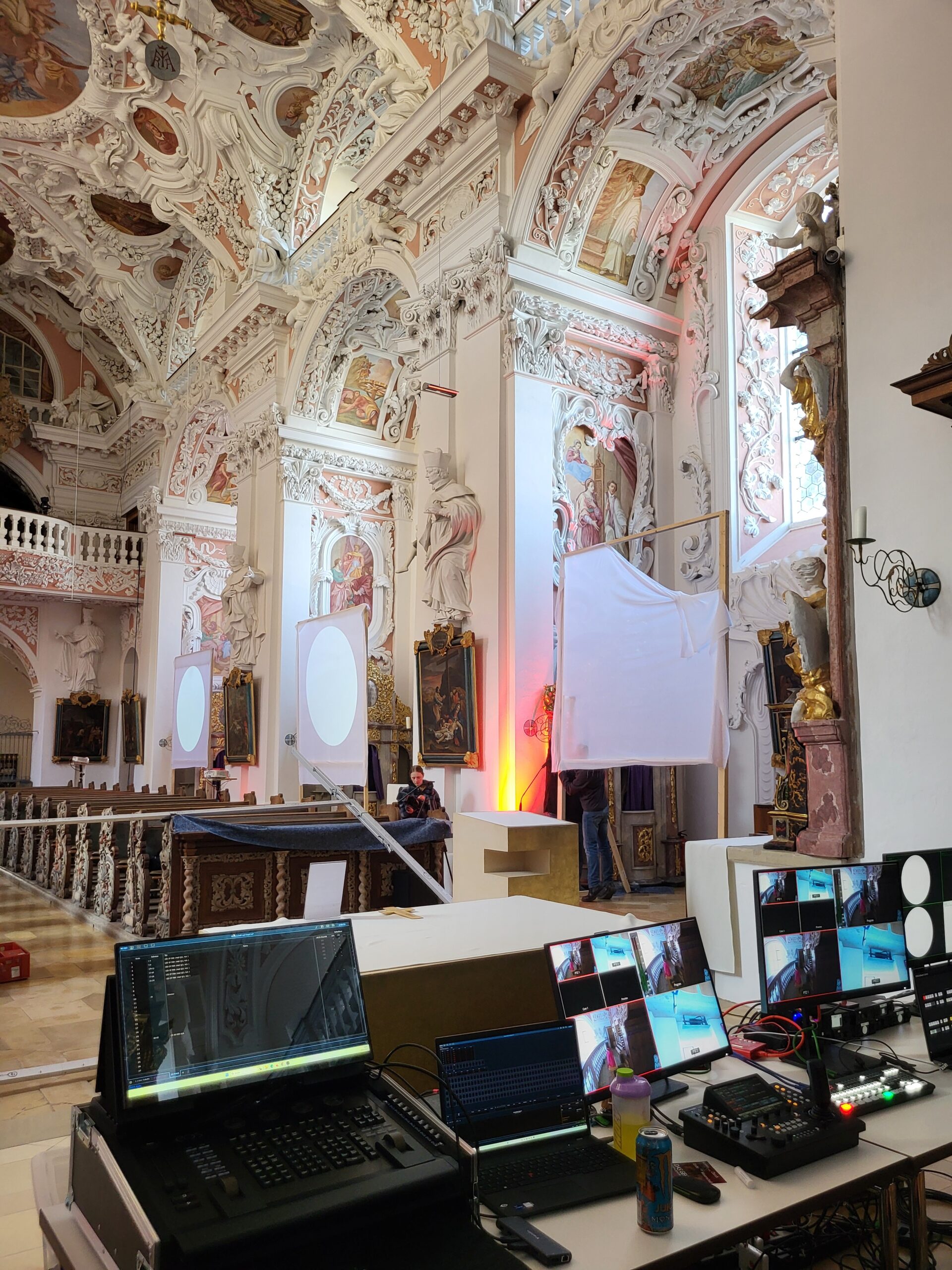 4/28
4/28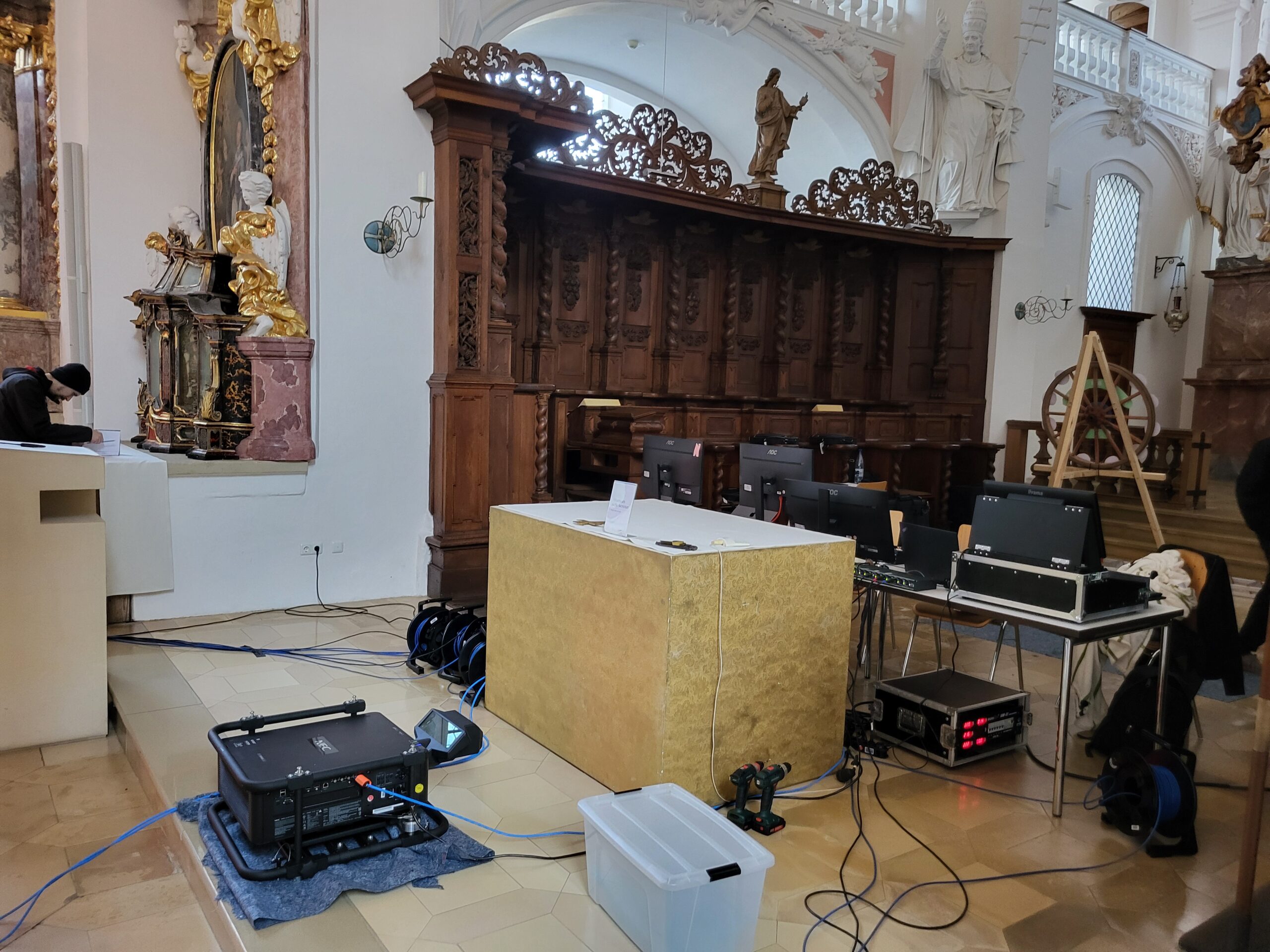 5/28
5/28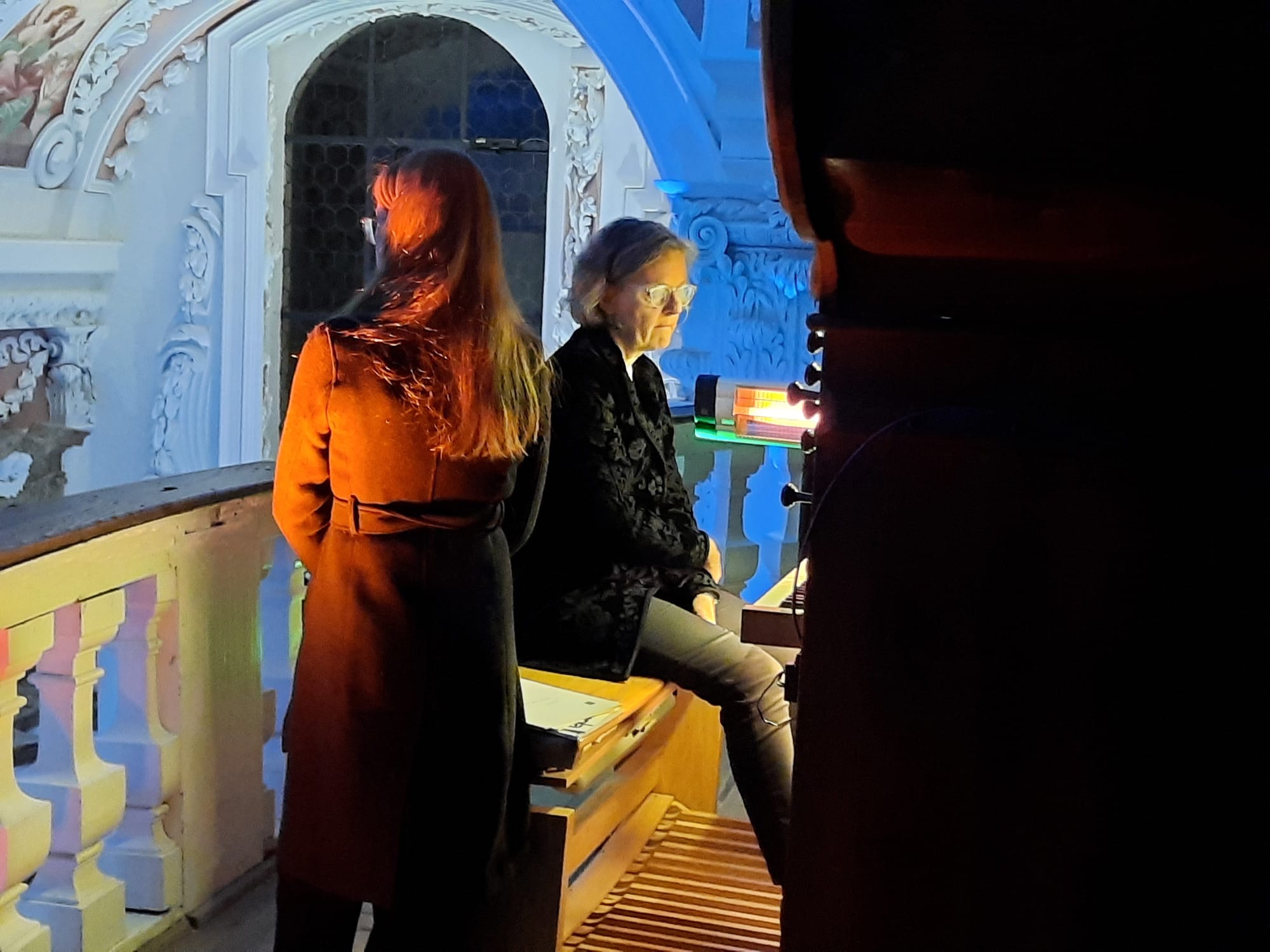 6/28
6/28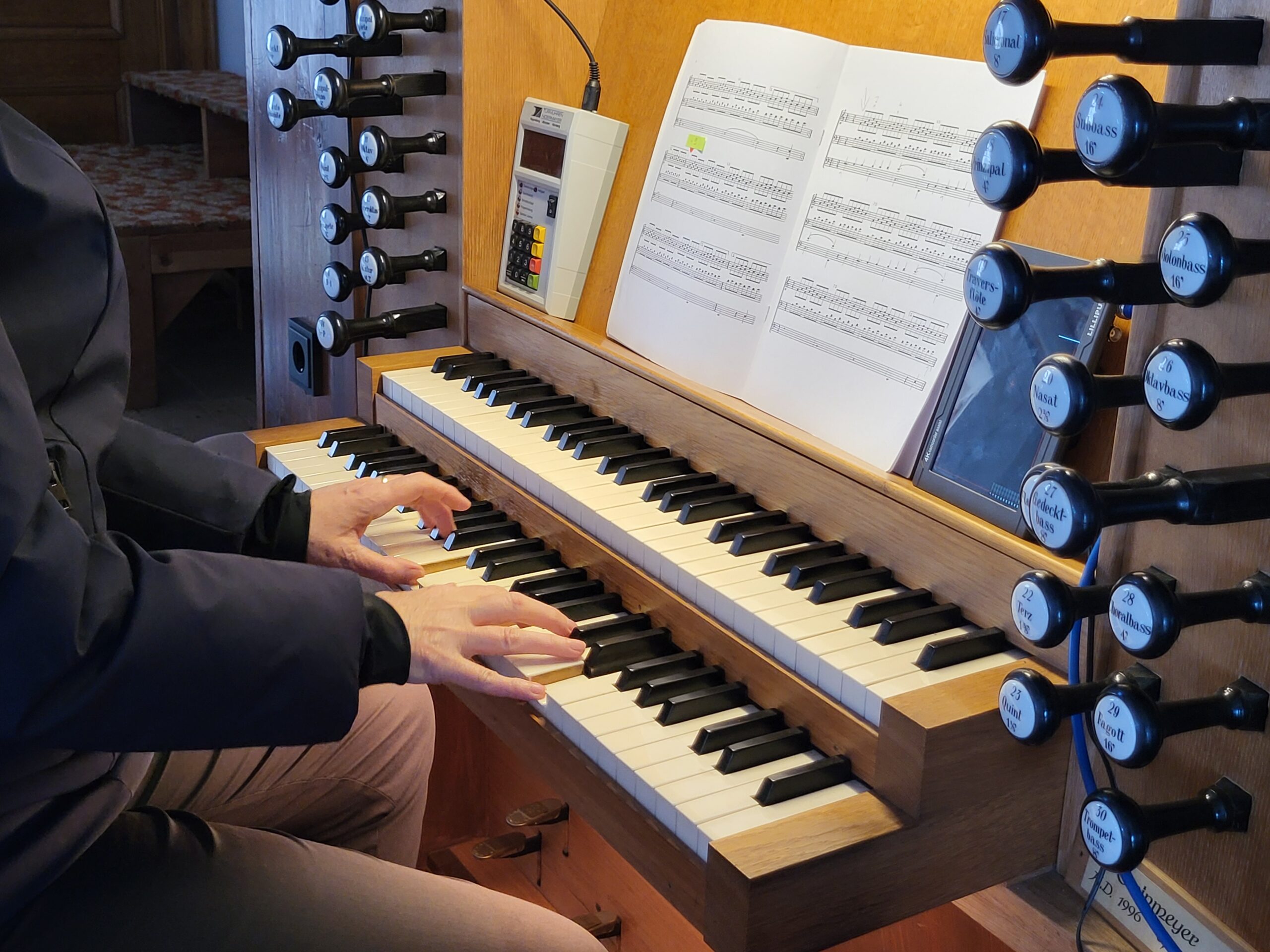 7/28
7/28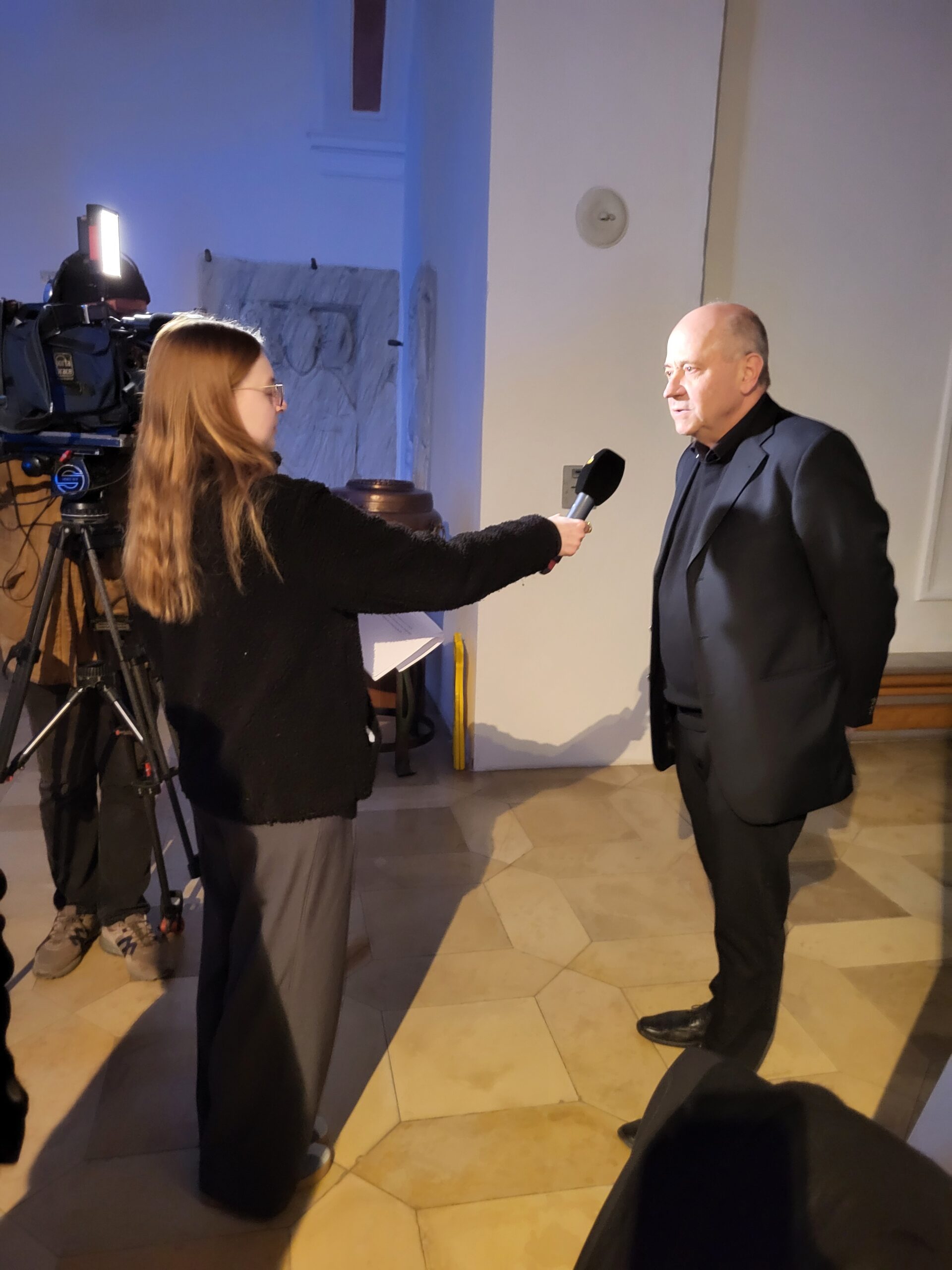 8/28
8/28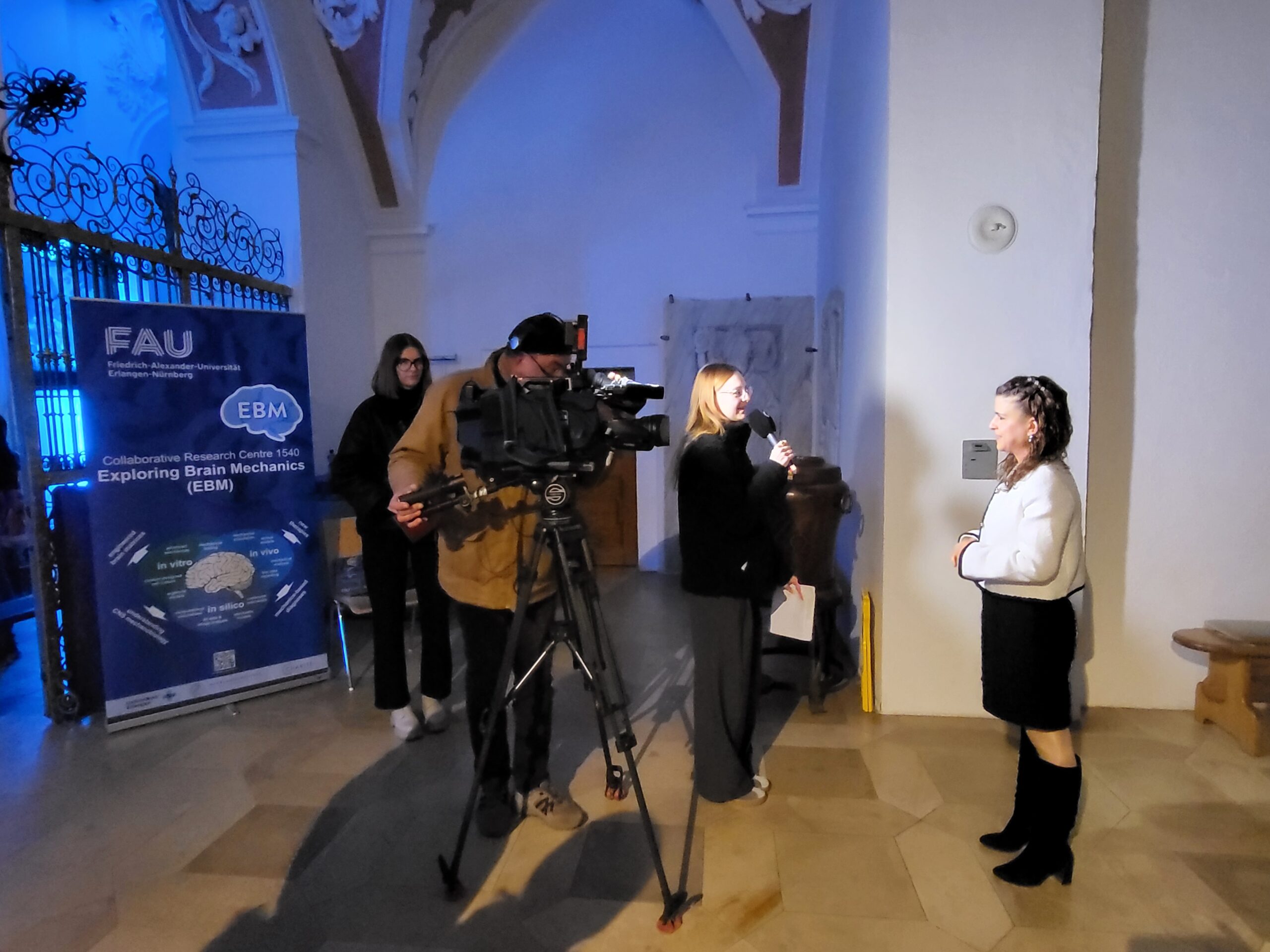 9/28
9/28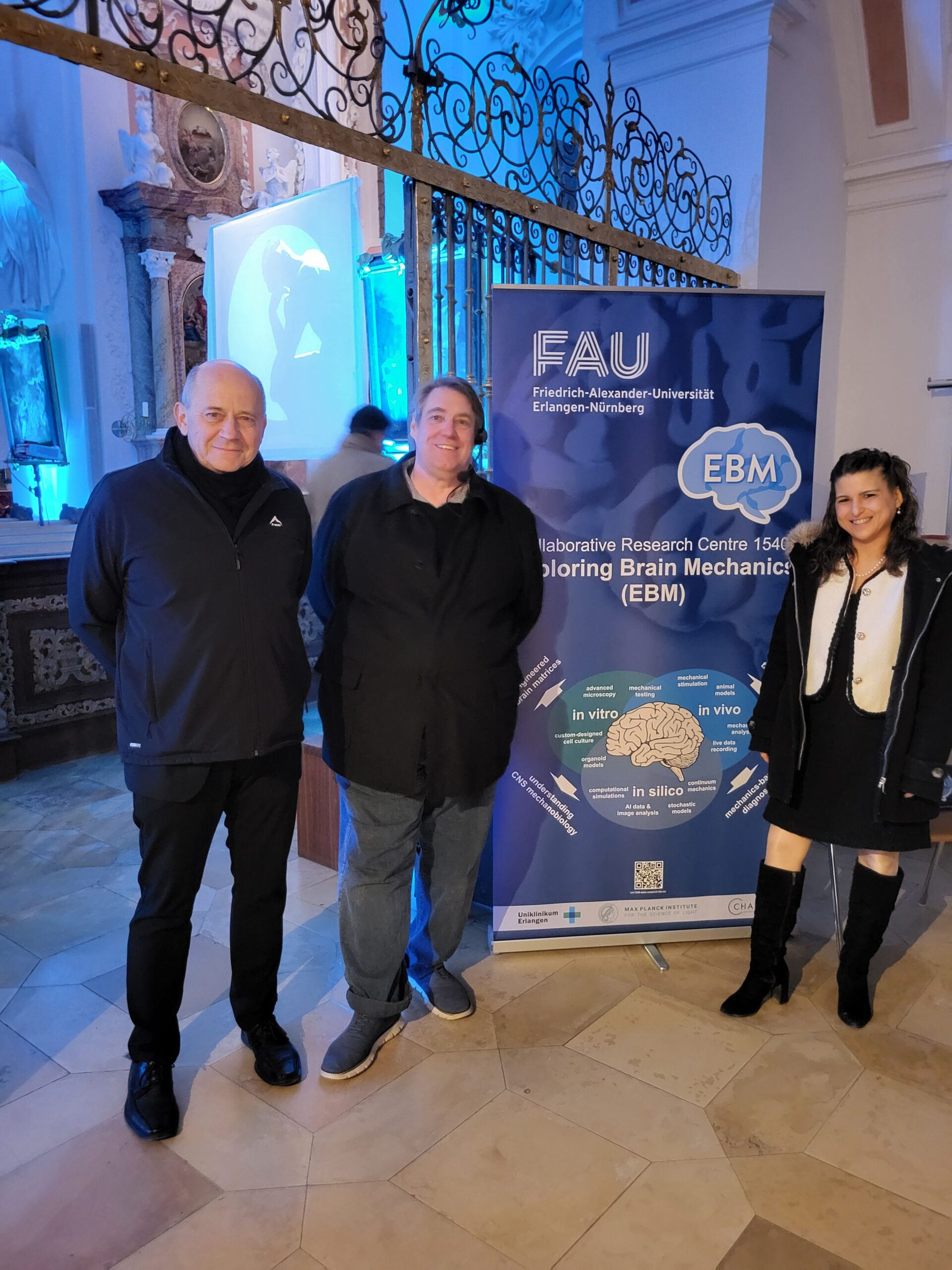 10/28
10/28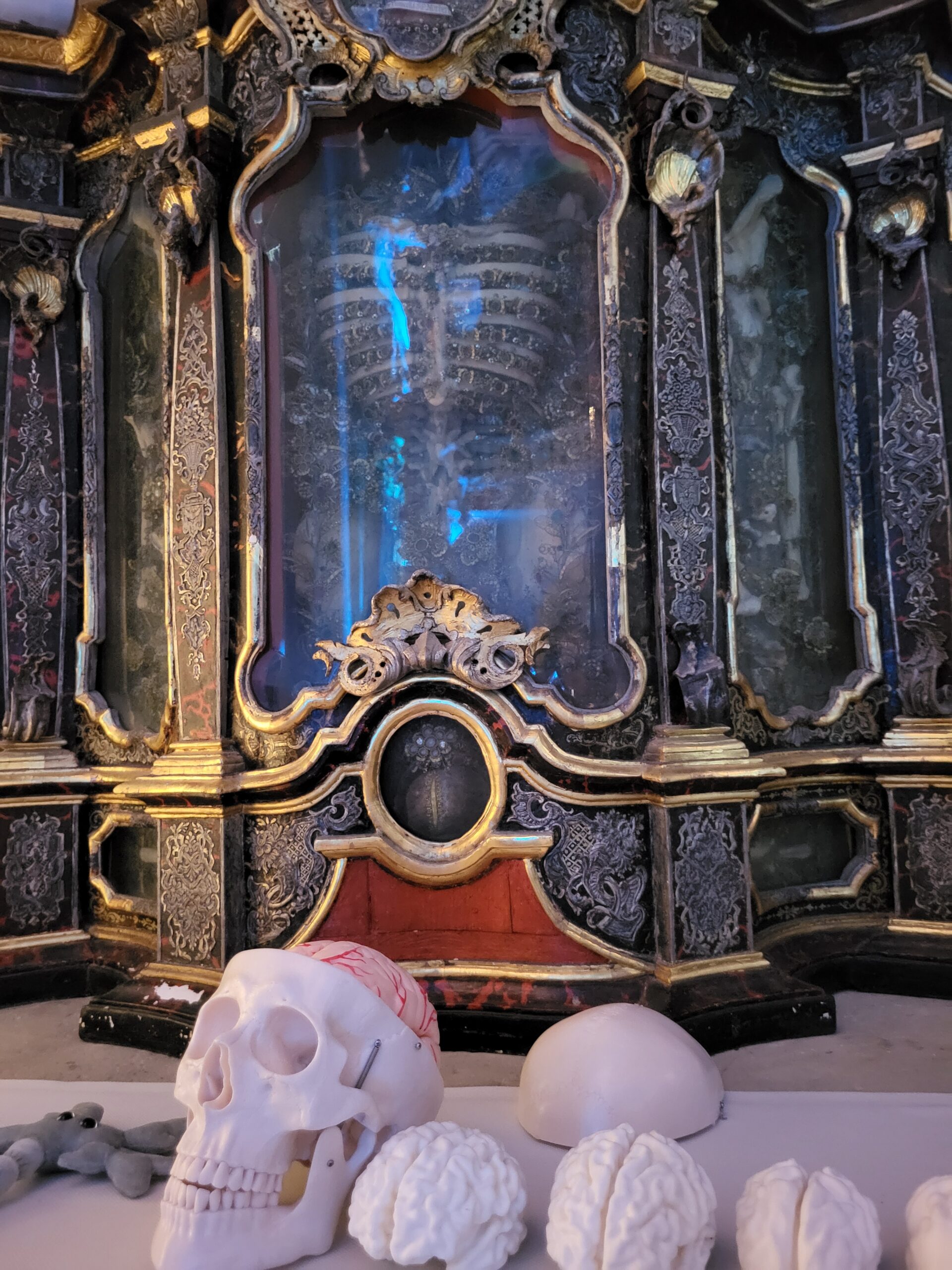 11/28
11/28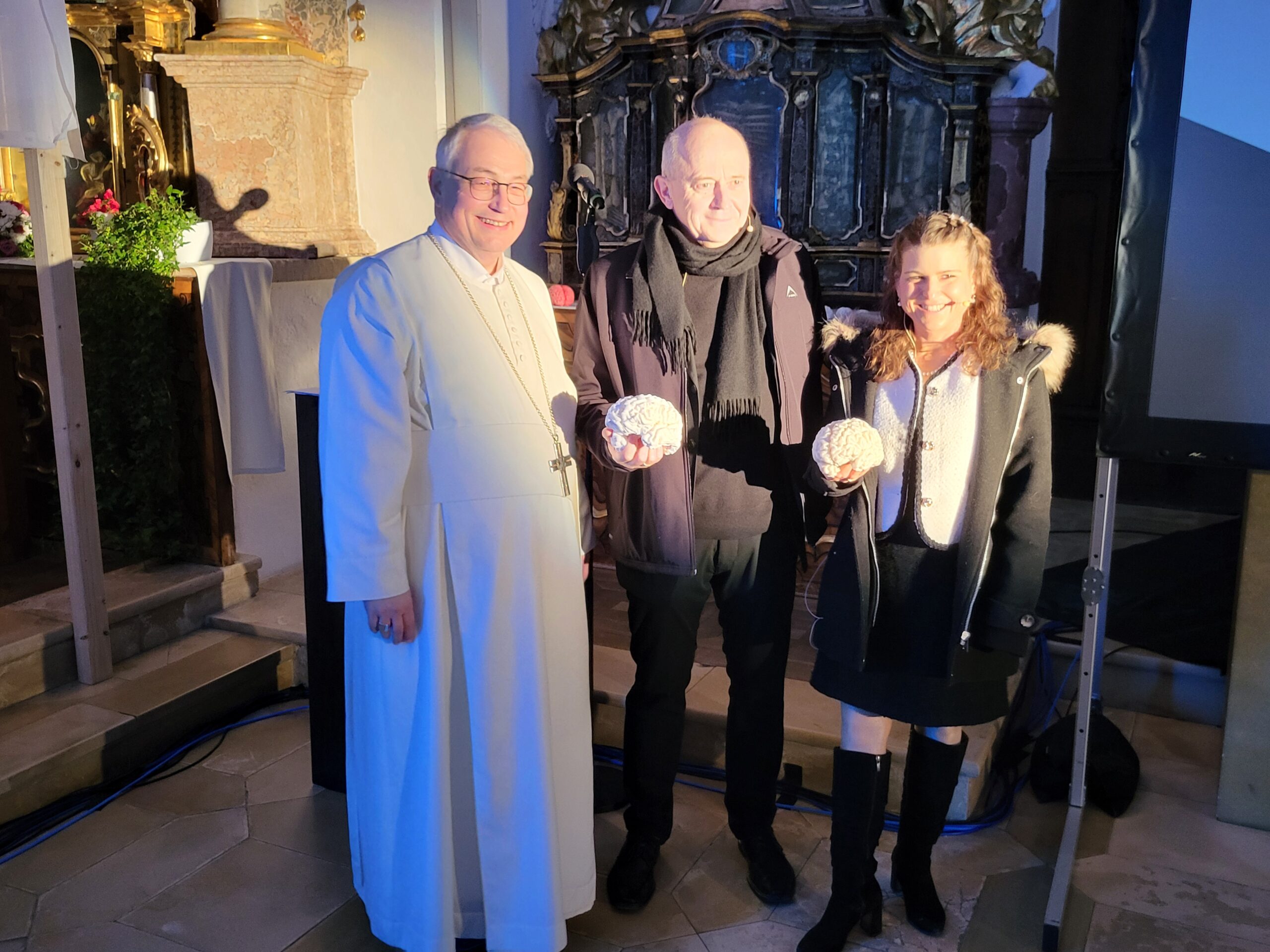 12/28
12/28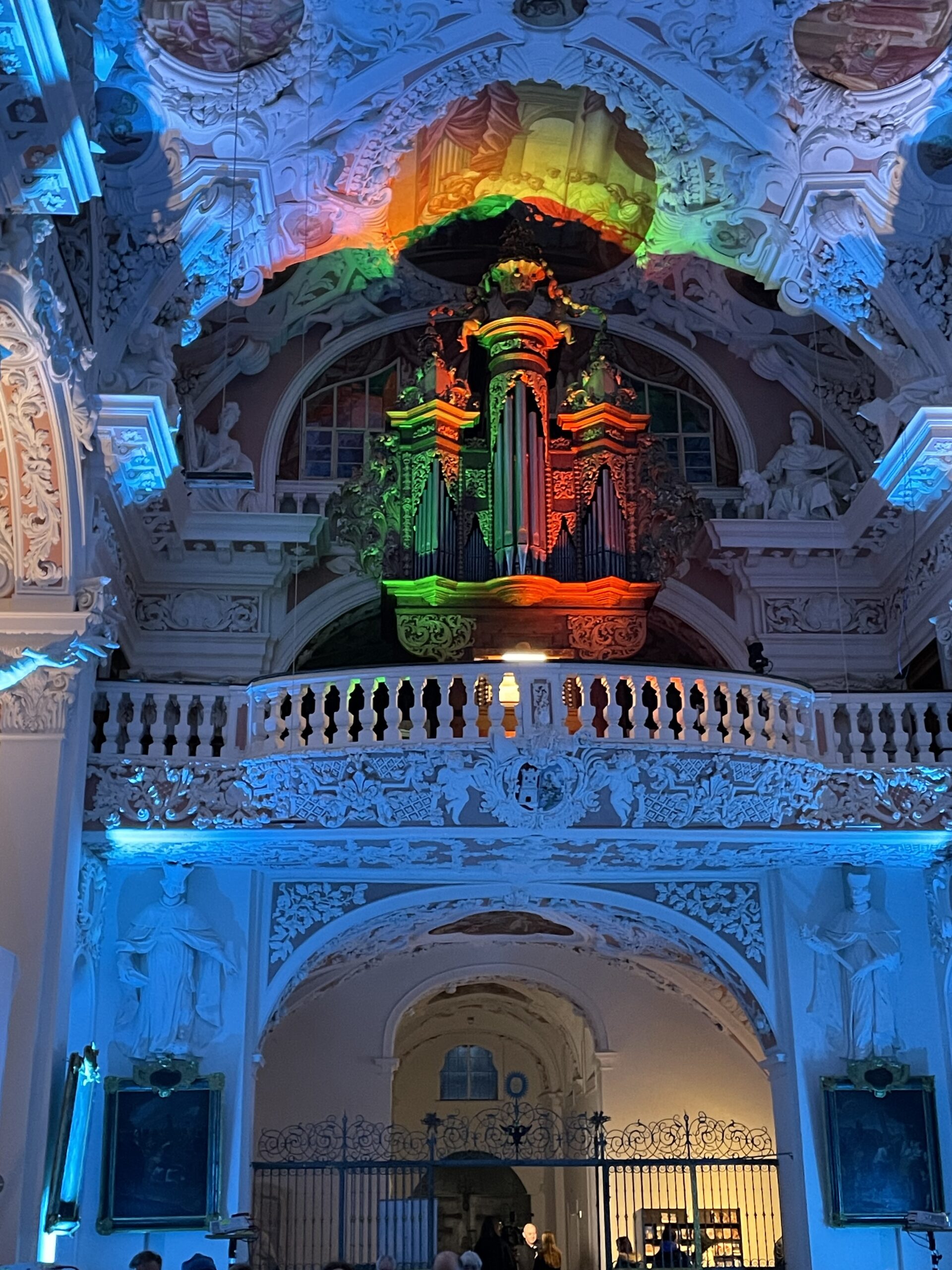 13/28
13/28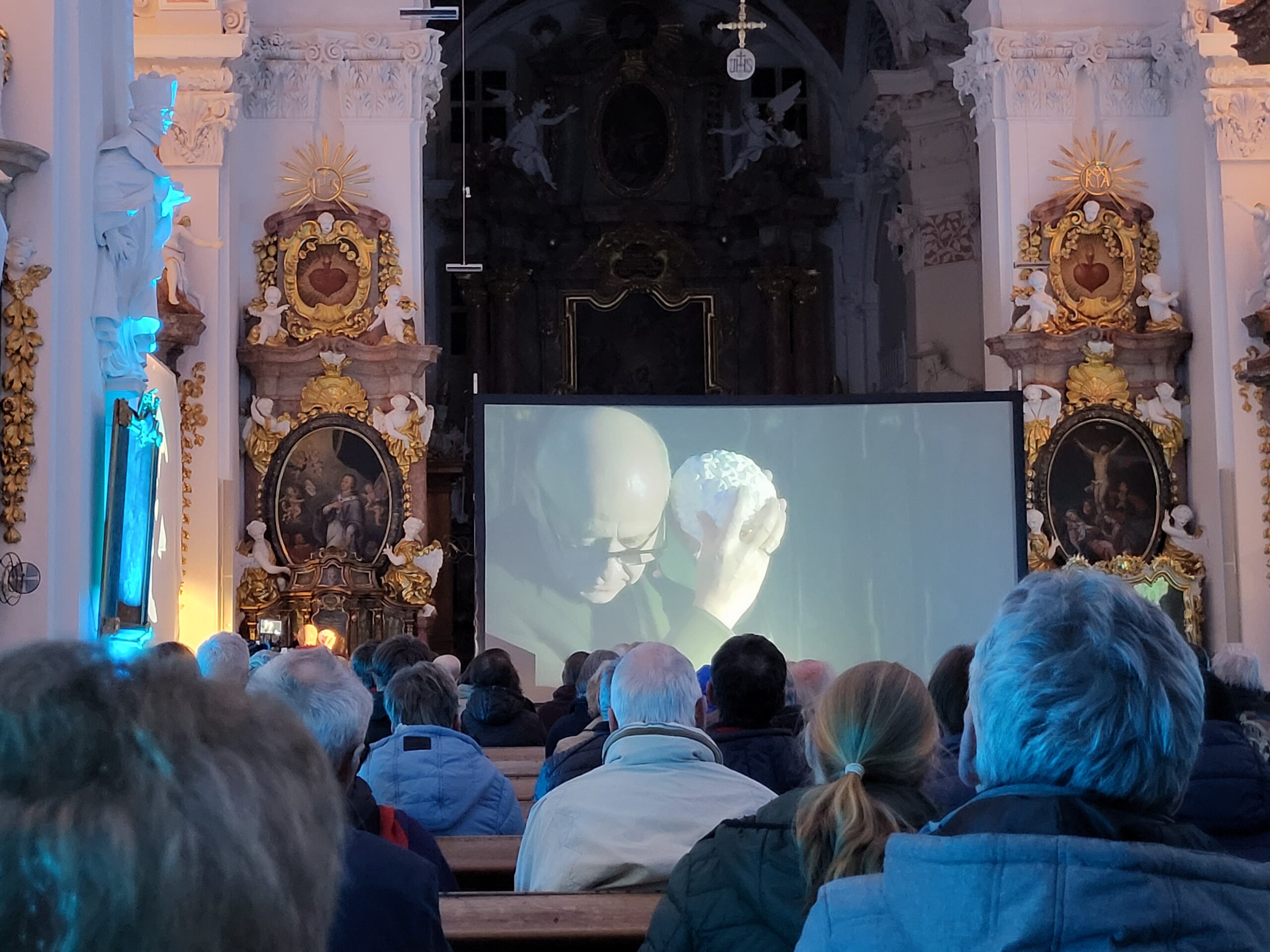 14/28
14/28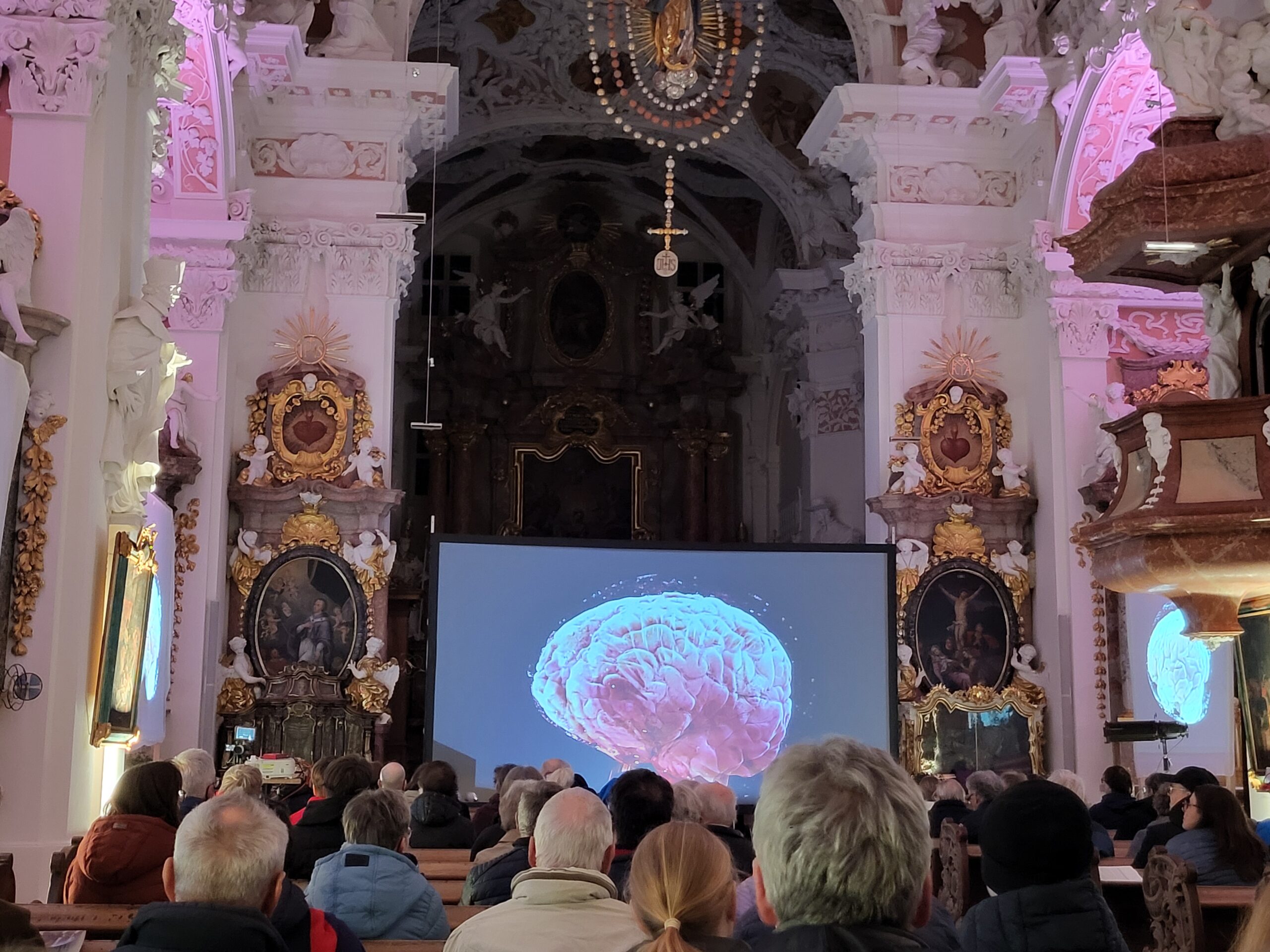 15/28
15/28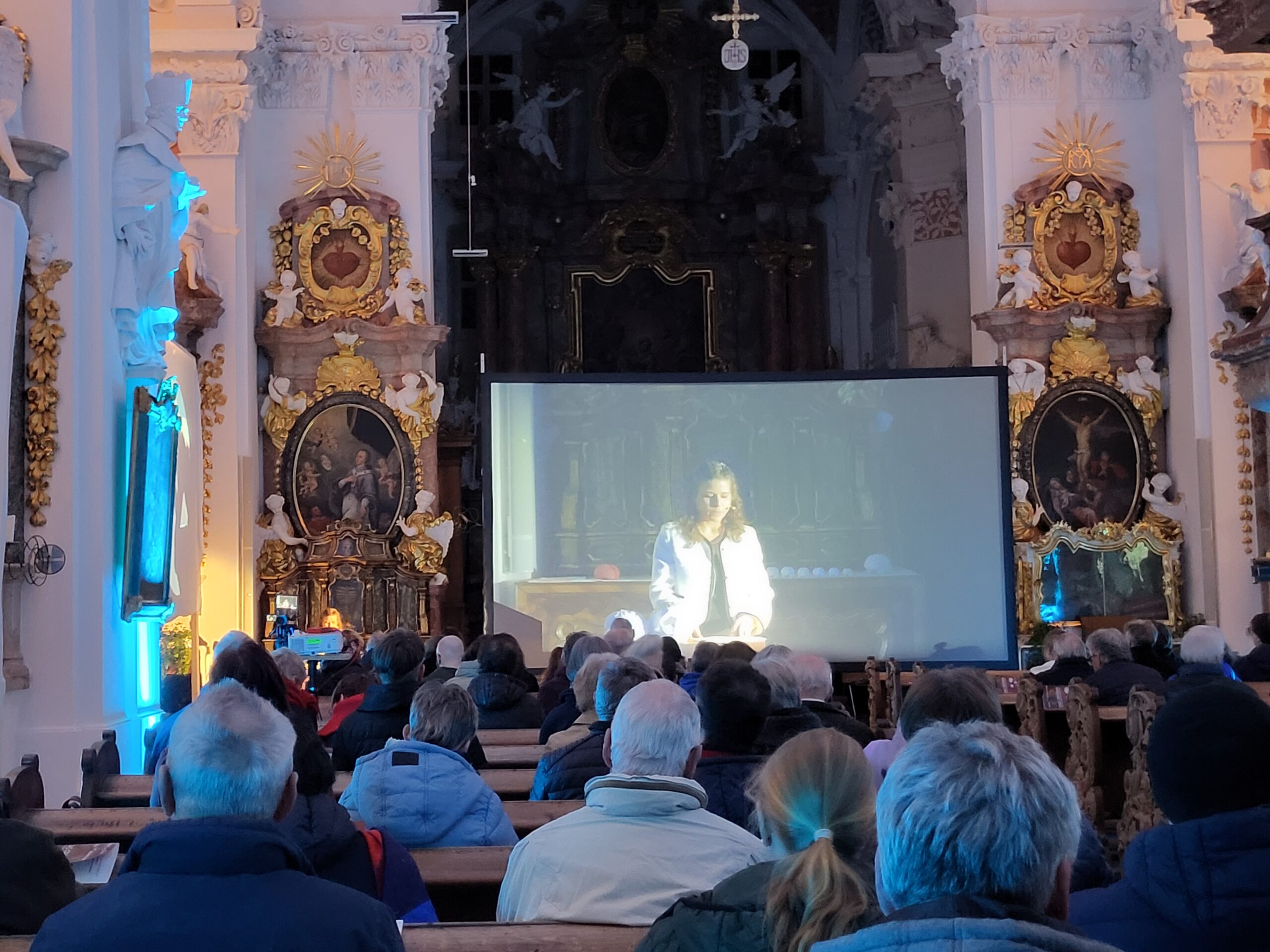 16/28
16/28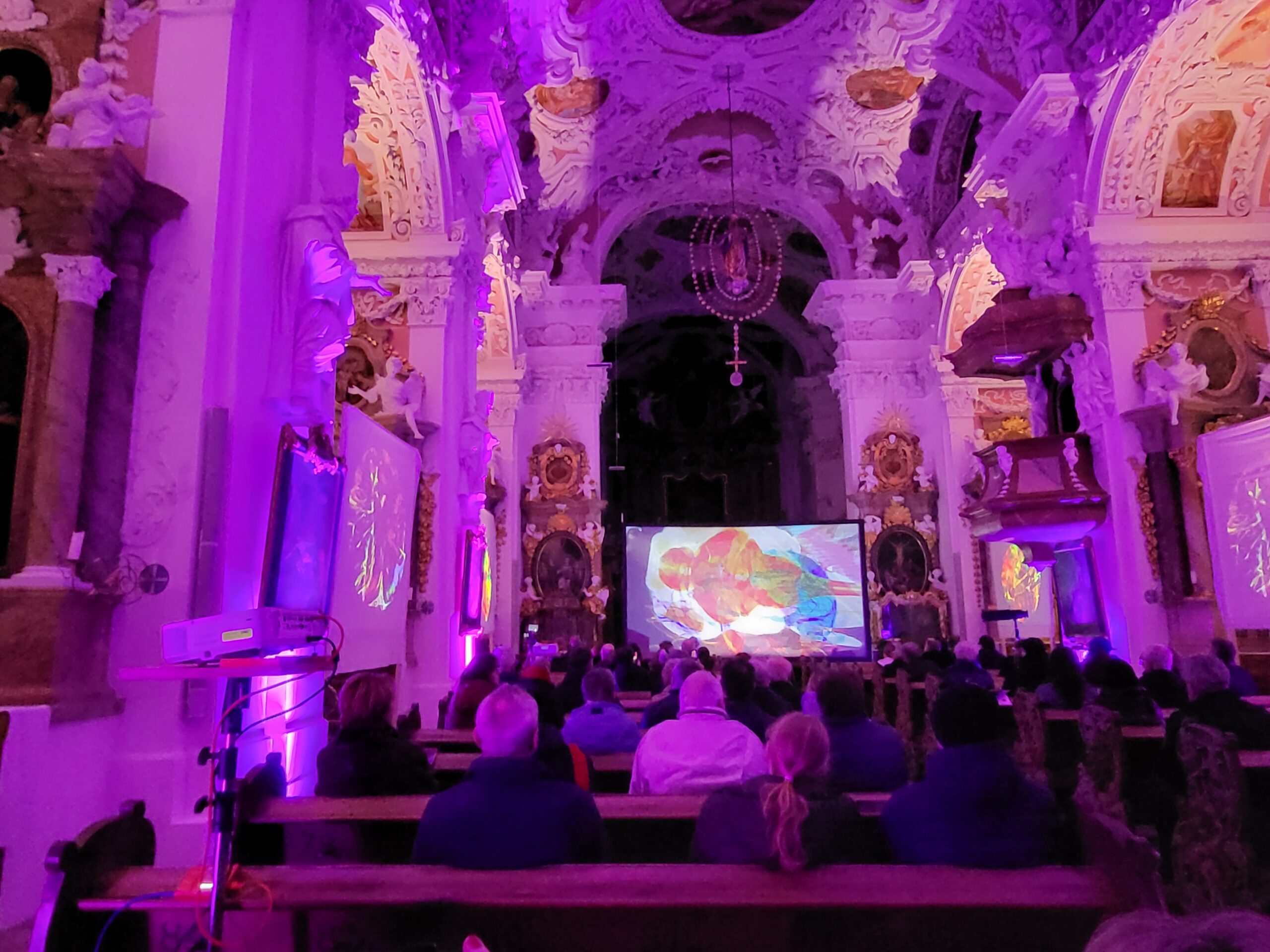 17/28
17/28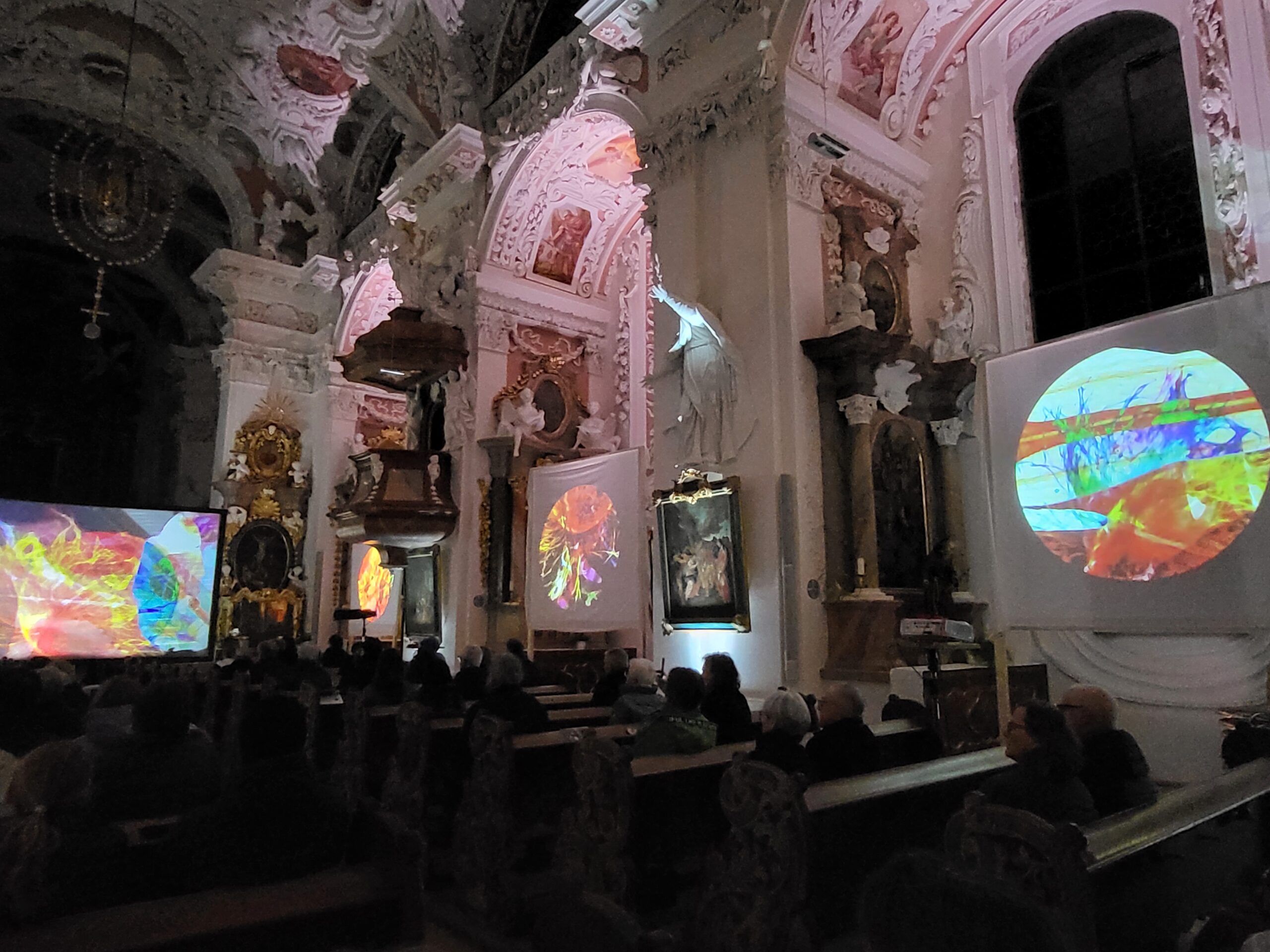 18/28
18/28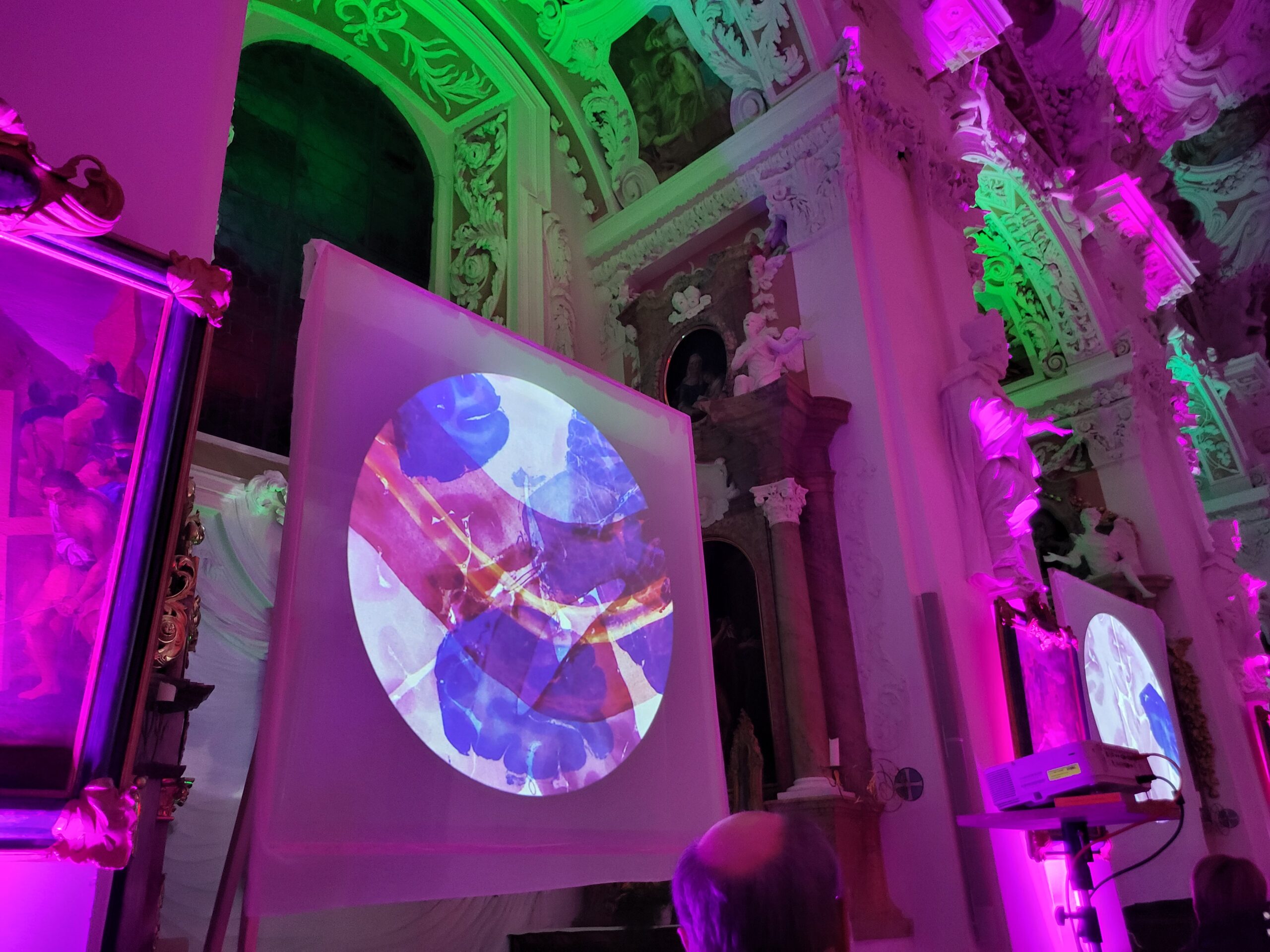 19/28
19/28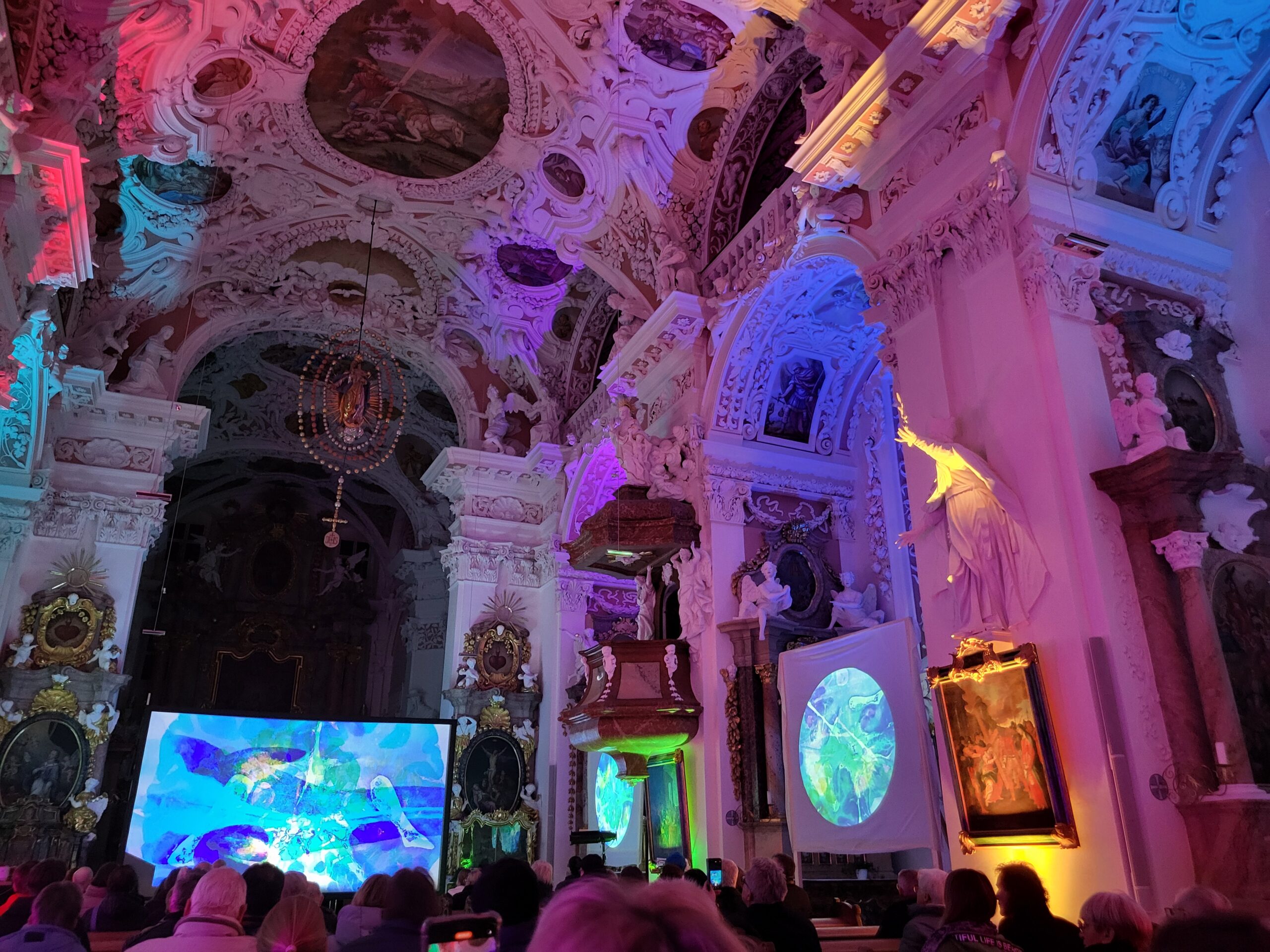 20/28
20/28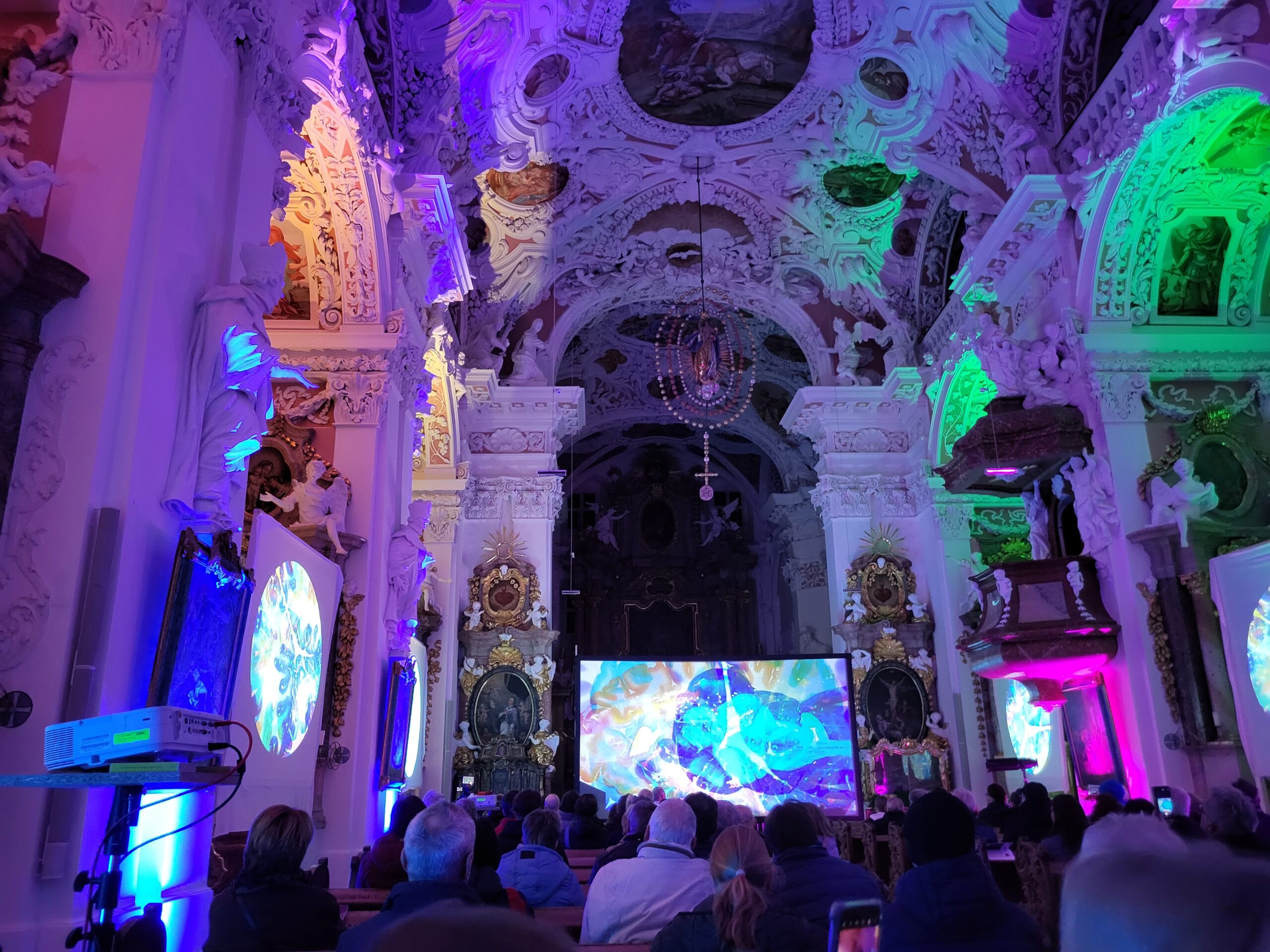 21/28
21/28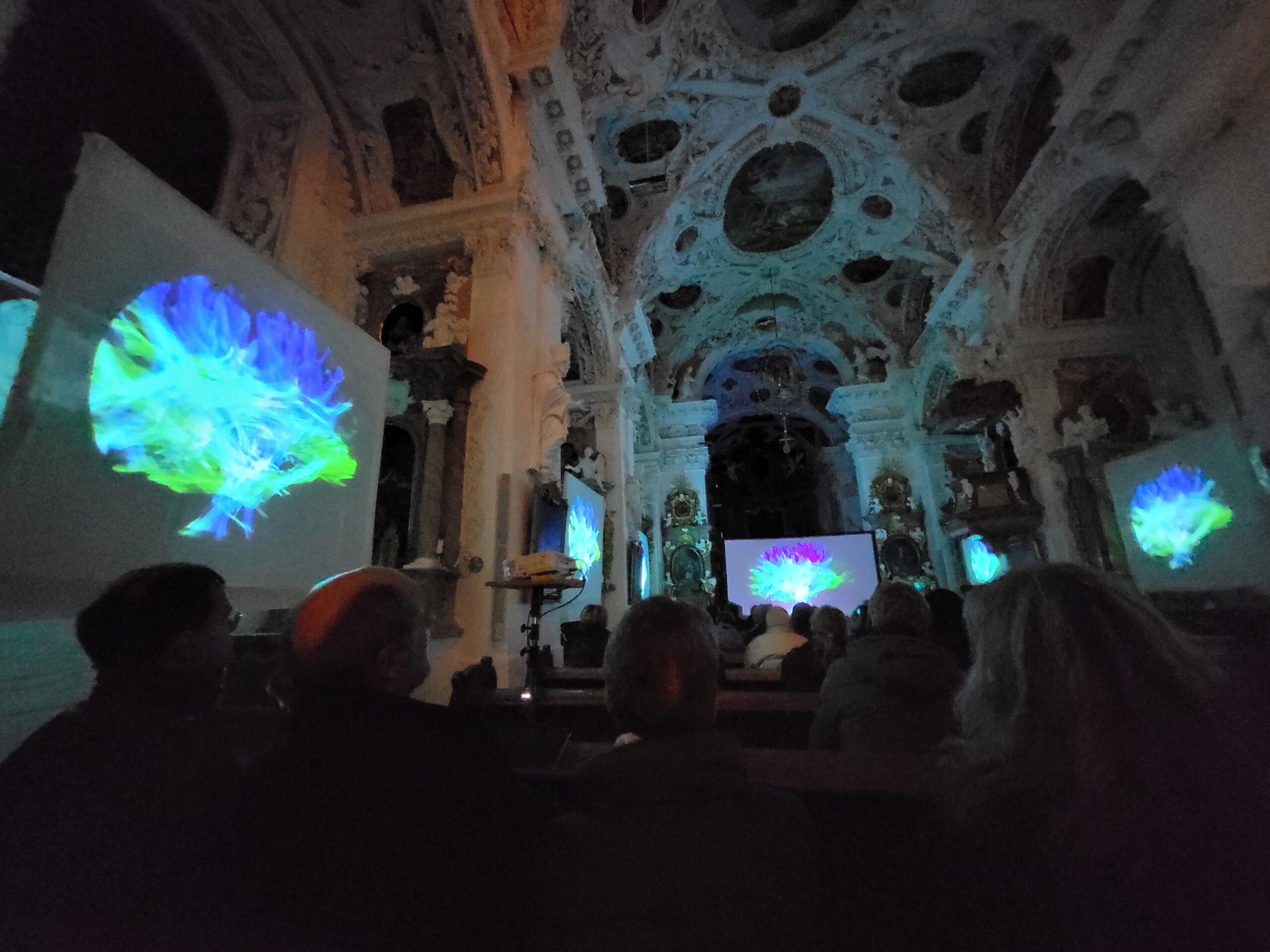 22/28
22/28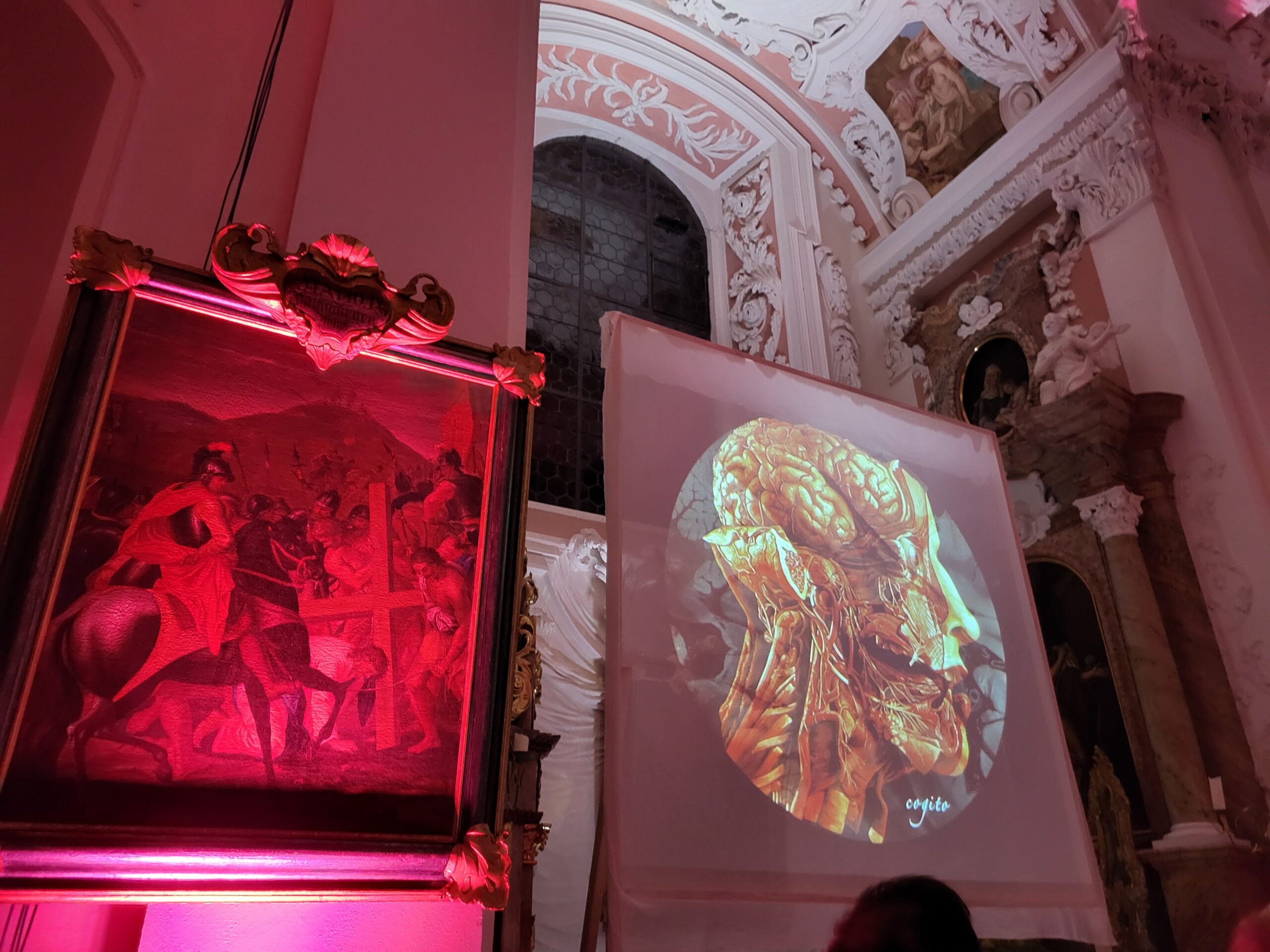 23/28
23/28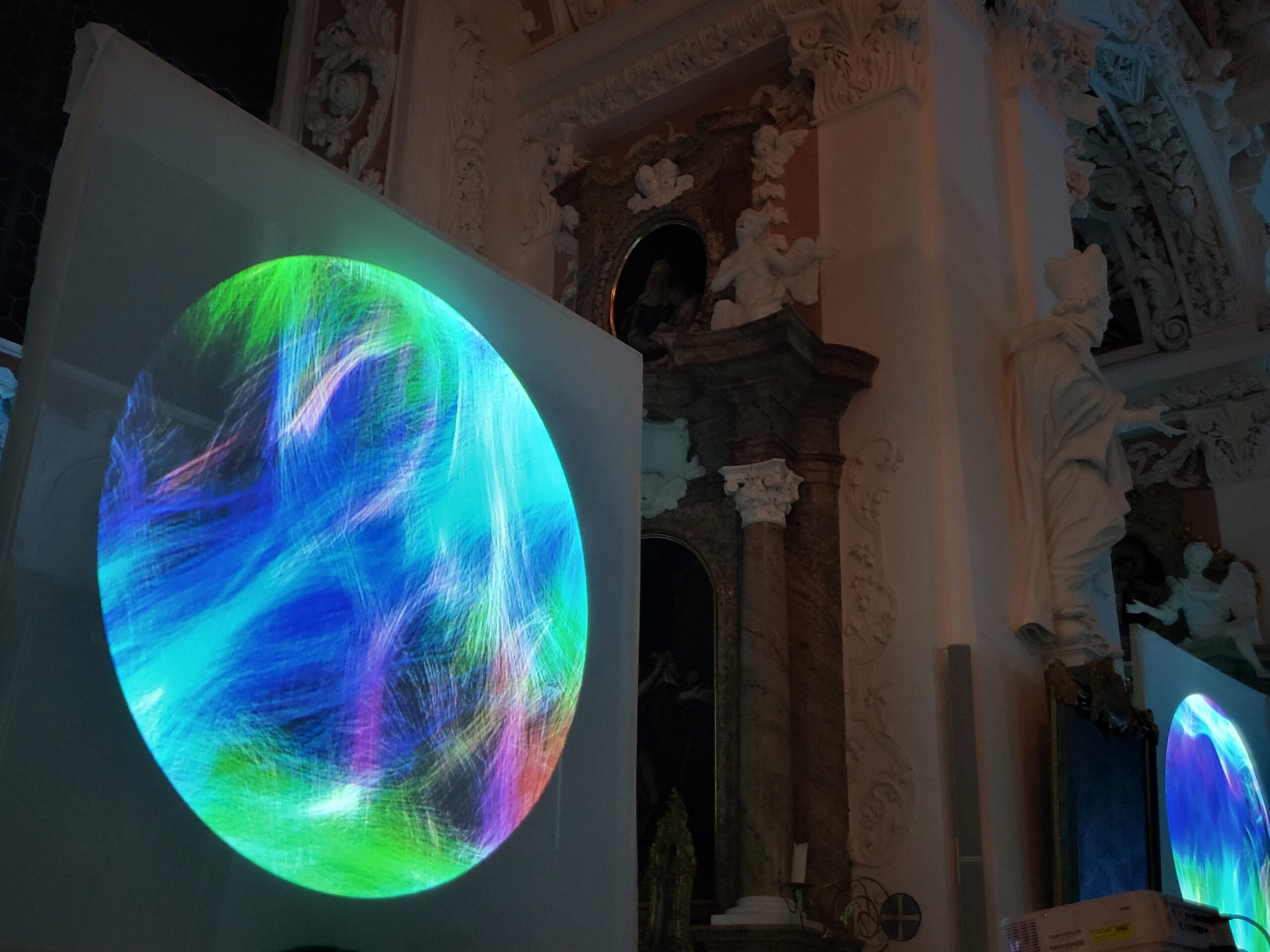 24/28
24/28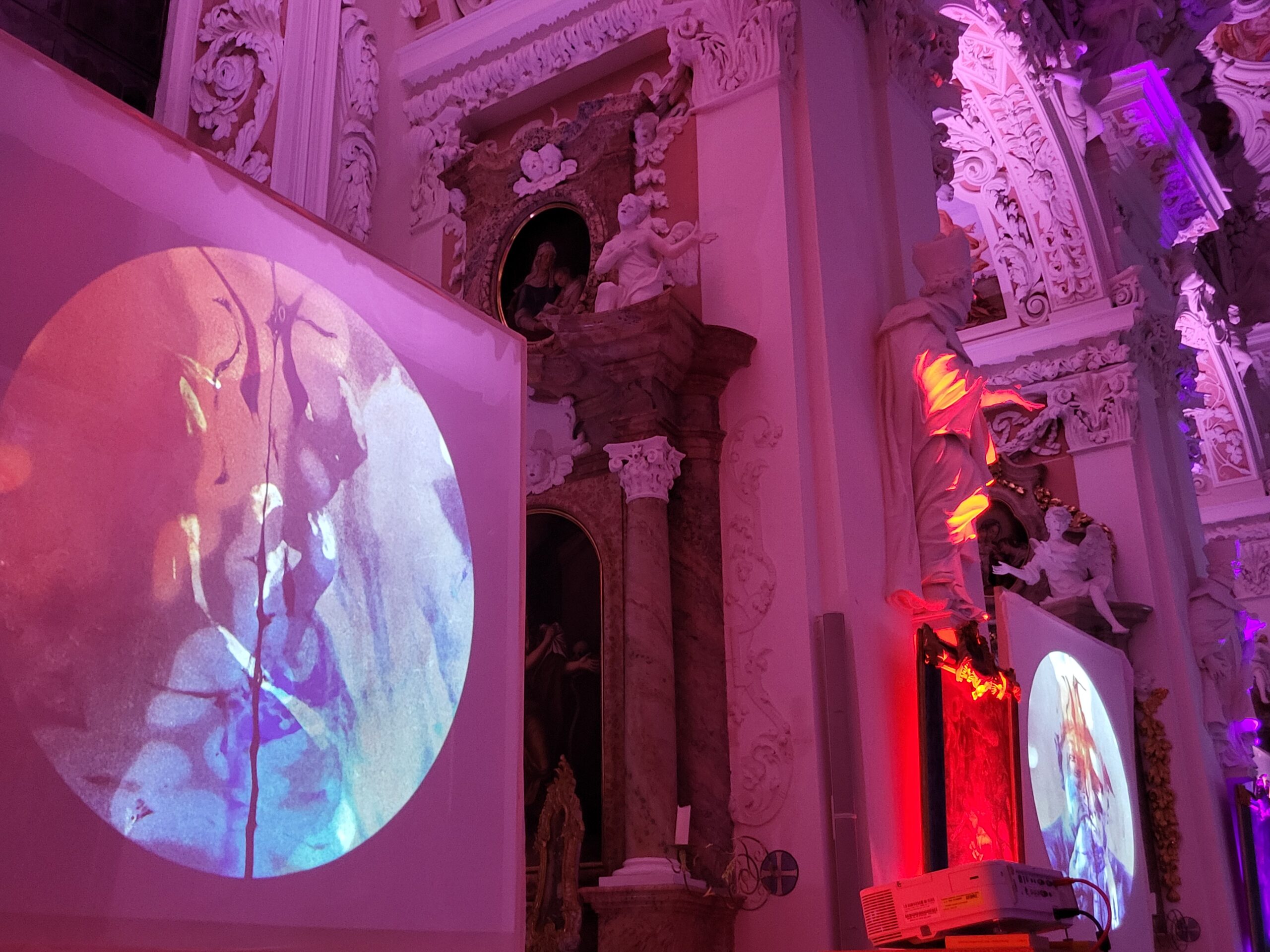 25/28
25/28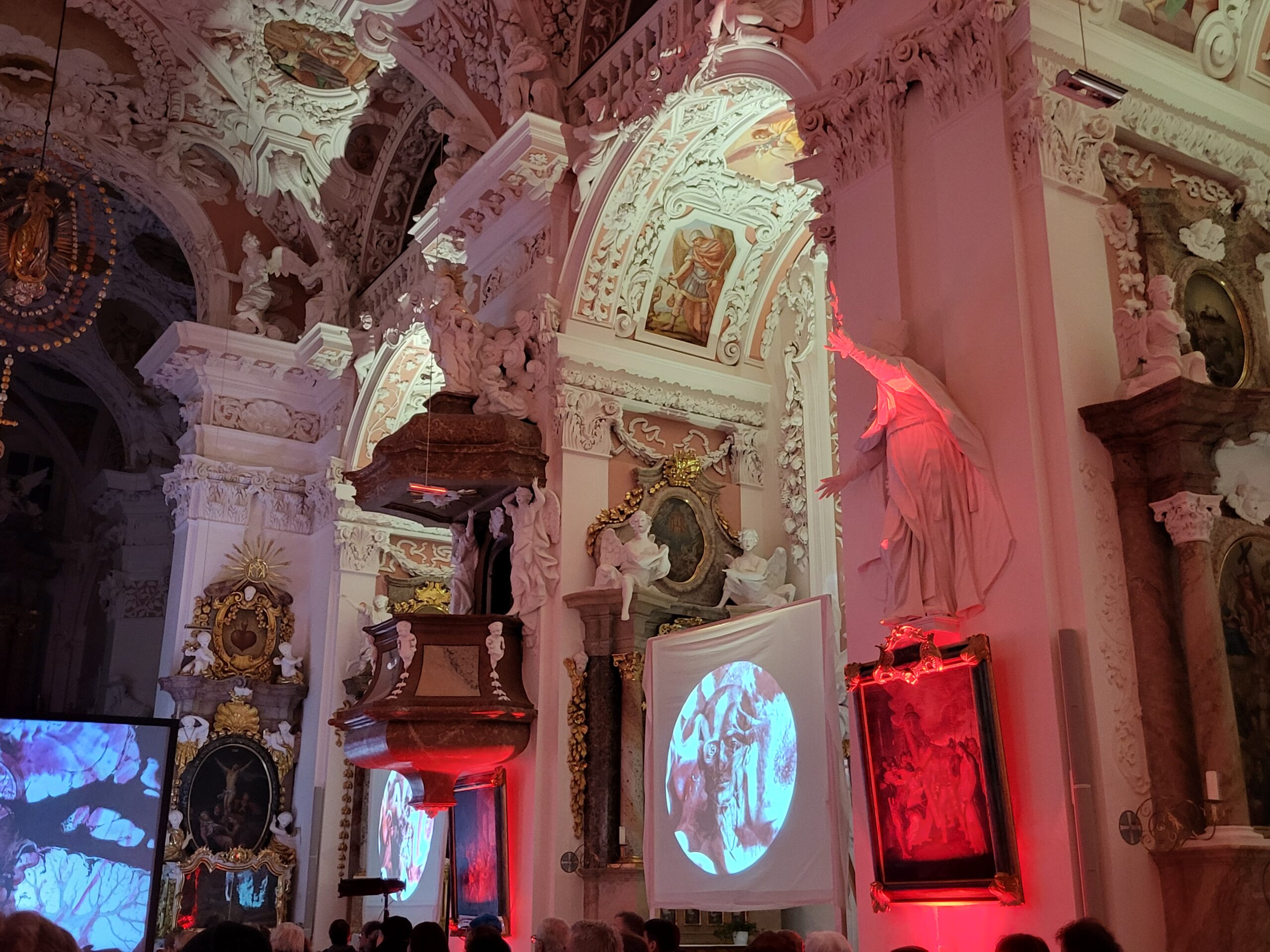 26/28
26/28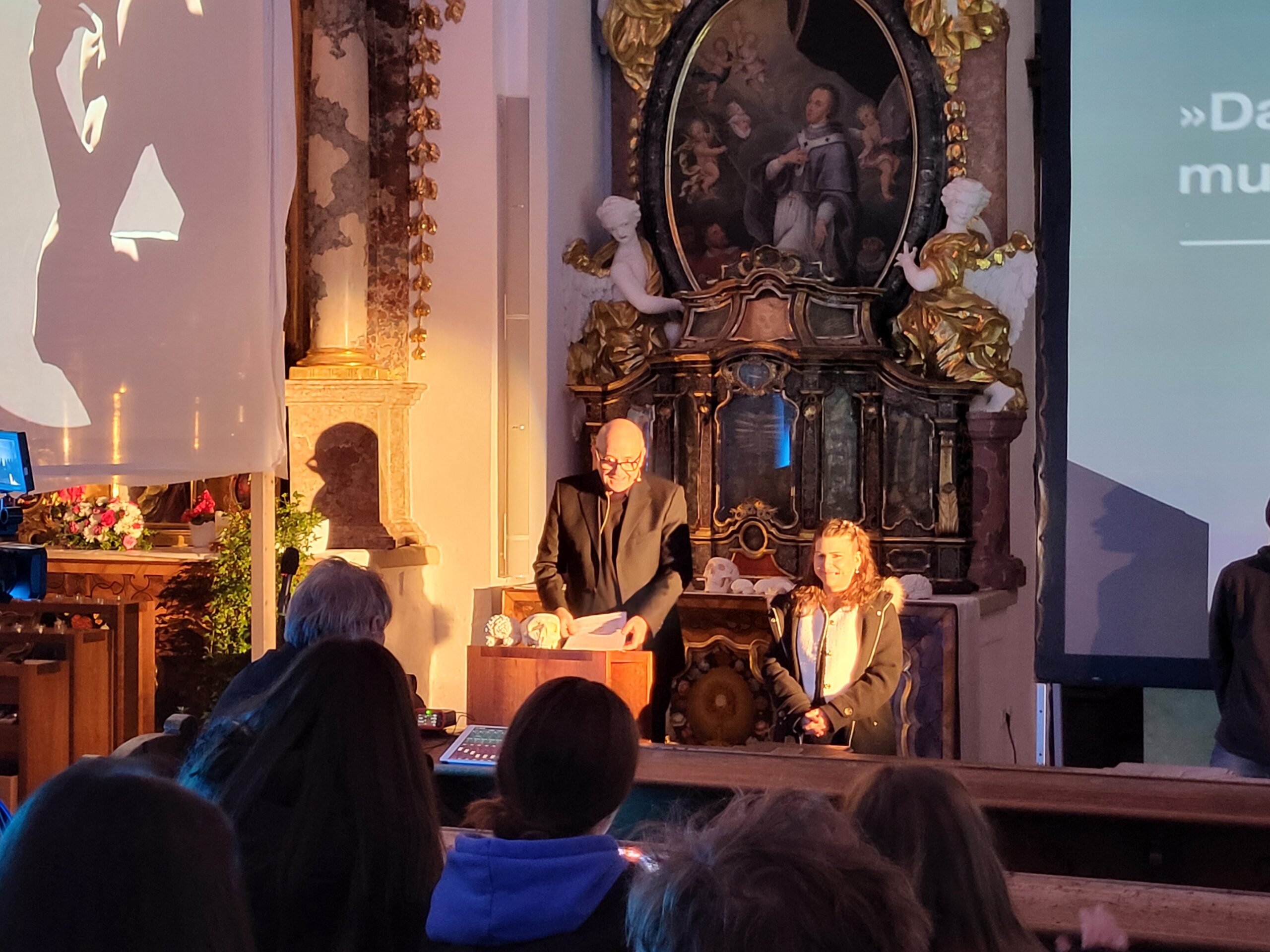 27/28
27/28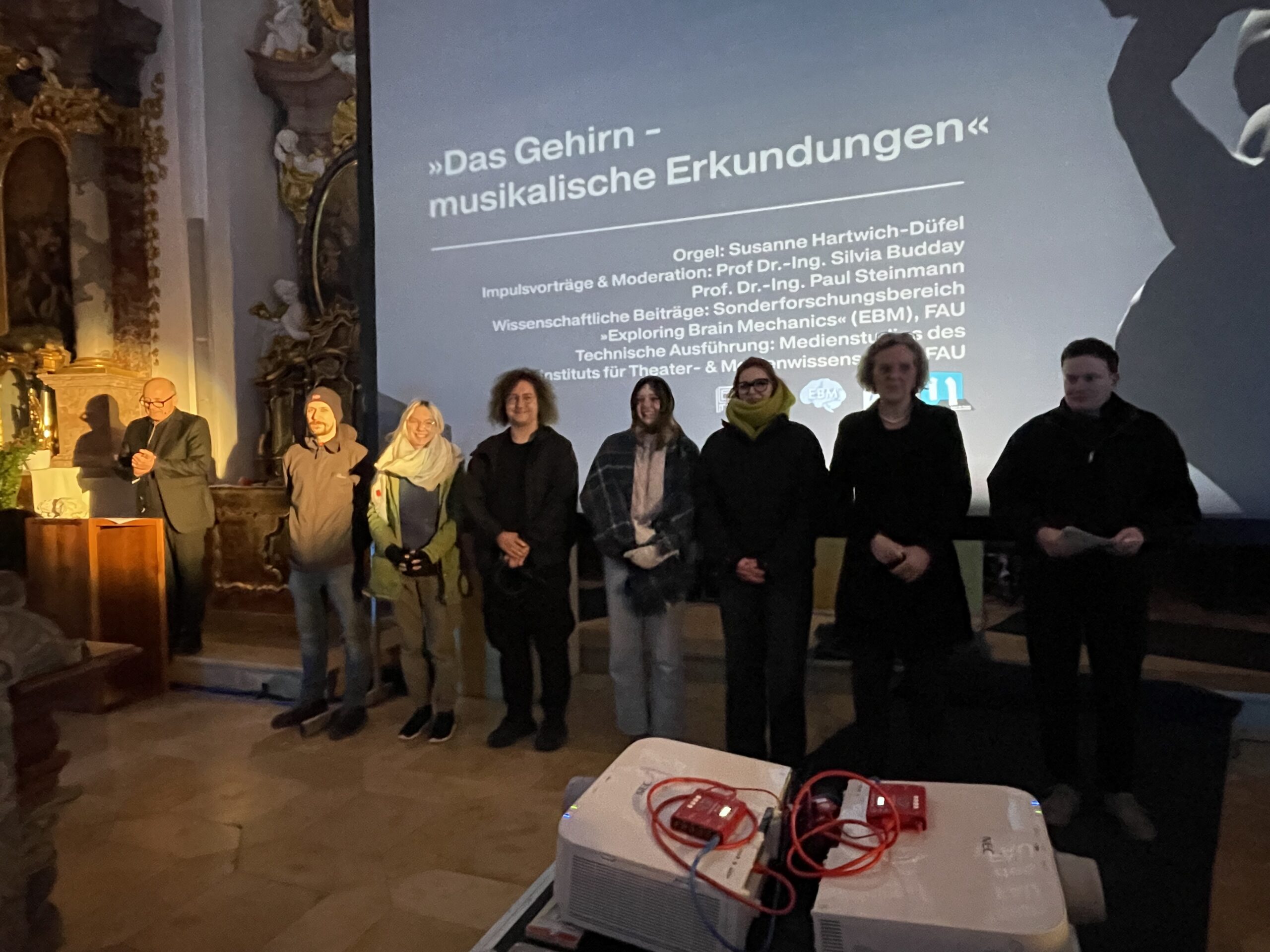 28/28
28/28